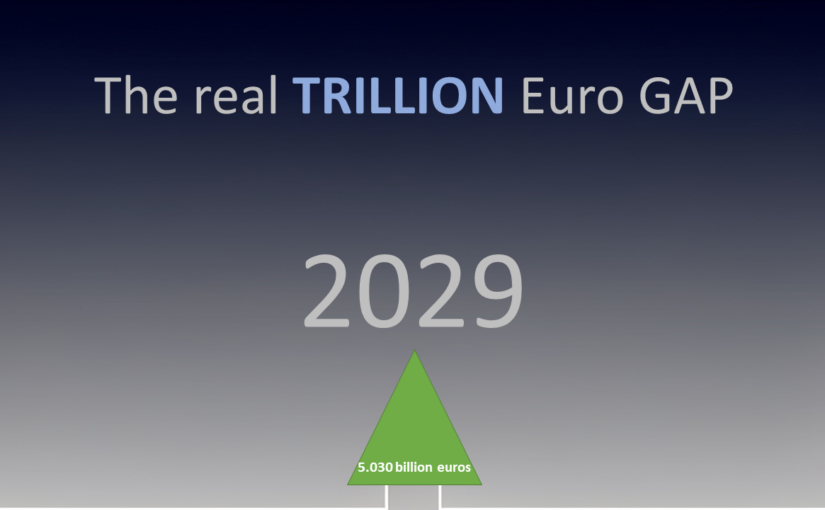
2033 – Adaptation of Political Elections and Parties to Permanent Digital Feedback Mechanisms

The digital transformation of democracy is at a decisive turning point. The study Adaptation of Political Elections and Parties to Permanent Digital Feedback Mechanisms in the Context of a Digital Democracy (particularly in the “Trusted WEB 4.0”) shows: real-time feedback systems, category-based elections, and digital tools can make political processes more transparent, more inclusive, and more resilient against authoritarian tendencies. A central finding of the study is particularly important: the EU-D-S is not aimed at all citizens, but at a target group with an active interest in permanent political participation – which is precisely why the risk that the permanent feedback will not work is significantly lower than in the comparison projects. At the same time, the analysis warns of the risks: manipulation, digital division, and the loss of democratic achievements if no holistic solution is implemented.

1. Real Situation: Probable Scenario Without Trusted WEB 4.0

Democratic and liberal forces are coming under increasing pressure. Right-wing parties with simplistic messages are gaining influence – not because of better policies, but because of their masterly use of digital manipulation. Society is resigning itself because it senses: “My vote does not count.”
The problem, however, does not lie with the politicians, but with a society that neglects pre-digital democratic achievements.

AI-driven manipulation in small, barely noticeable steps is undermining trust in democratic institutions. Committed politicians who fight for diversity and transparency are being attacked in a targeted manner and are losing visibility. The result is an anticipated digital autocracy in which elections ultimately no longer play a role. Many citizens will regret their voting decision – when it is too late.

2. Development Without Obstruction: With Broad European Support Since 2027

Permanent digital feedback mechanisms and category-based elections hold the potential to make political systems more democratic, more transparent, and more inclusive. The study confirms: real-time feedback systems increase citizen participation, break the dominance of interest groups, and strengthen political diversity.
Blockchain-based solutions, as tested in Estonia or India, offer secure, tamper-proof voting.

Lobbying is being redefined – not as opaque influence, but as transparent economic and citizen participation. Digital platforms make it possible to divide political topics into categories and, where needed, to hold partial elections at staggered times. This breaks the concentration of power among individual groups, and authoritarian tendencies are losing ground.

Target group of the EU-D-S – not all citizens: The EU-D-S does not assume that all citizens will take part. Those who should participate are people who bring an active interest in long-term political engagement and, possibly, in freeing themselves from a poor social position. Citizens who, because of their upbringing, do not feel able to make their own decisions, or who are dependent on social media, will not participate in the EU-D-S and are not wanted there either. Without active interest, permanent participation makes no sense – the target group of the EU-D-S sees precisely this as its purpose and therefore participates on a permanent basis.

Social welfare and participation: The state will not be able to roll back social welfare completely. However, for those who actively want it, it can alternatively assume slightly higher participation payments in the EU-D-S – processed via the EU-D-S’s own payment system. This goes hand in hand with social recognition, because no social welfare is received any more, and with the chance to free oneself from one’s own situation. This offer, too, follows the principle of active interest: it is not an automatic benefit for everyone, but an alternative for citizens who consciously choose the path into the EU-D-S.

Successful examples from the study:

  • Estonia: E-voting systems since 2005, secure and transparent elections with high citizen acceptance.
  • India: Projects such as “Lakshya” and “PaHaL” reformed the distribution of subsidies through digital feedback systems, increasing efficiency and transparency.
  • New Zealand: “SmartStart” connects parents and healthcare providers and improves the quality of services.
  • Kenya: Mobile voting systems increased the political inclusion of marginalized groups.

Failed approaches:

  • Hybrid regimes: In some countries, digital feedback mechanisms were used for surveillance and the suppression of the opposition instead of strengthening democracy.
  • Limited digital skills: In countries with weak infrastructure (e.g. parts of Africa or Latin America), digital democracy projects failed due to a lack of participation.
  • Data protection scandals: In Europe, insufficiently regulated digital voting systems led to a loss of trust (e.g. pilot projects in Germany and Spain).

Technical feasibility is a given. But without clear legal and ethical frameworks – without the European Digital System (EU-D-S) – these approaches remain isolated. They will not prevail against established digital autocracies. The target group is decisive here: the risks mentioned mainly affect systems that want to include the entire population. Since only citizens who see a purpose in permanent political participation take part in the EU-D-S, the risk that the permanent feedback will not work is significantly lower than in the comparison projects.

3. Demands from the Perspective of 2026

The holistic approach of the EU-D-S is needed. Individual projects such as Finder (1999), getmySense (2002), GISAD (2003), EU-D-S (2004) and WAN anonymity (2007) are in harmony with this vision. But they need European support in order to prevail against the gatekeepers.

This is not about disruption, but about evolution. Politicians need time to work their way into their topics – legislative terms of 4 to 5 years are essential for this. Politics must proactively contribute ideas instead of being driven by digital monopolies. The EU must create the framework so that diversity is not only possible, but also viable.

4. GAP Analysis 2033

Carried forward from previous years:
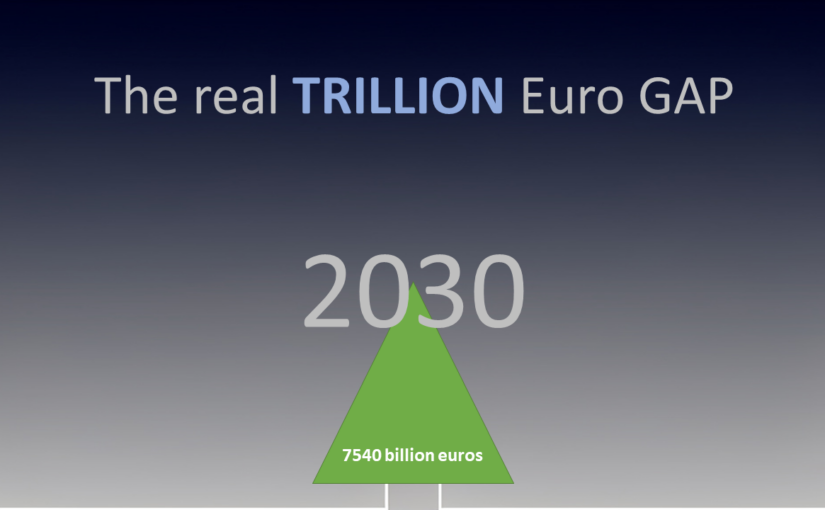
The EU-D-S is founded in 2027. The GAP amount from 2026 of €45.74 trillion will be reduced annually by 2030 by the Total Trusted WEB 4.0 Bonus of a total of €7.54 trillion.

Development of the gatekeepers (Google, Amazon, etc.):

2025: Google (approx. €300 bn), Amazon (approx. €600 bn)
2026: Google (approx. €320 bn), Amazon (approx. €650 bn)
2027: Google (approx. €340 bn), Amazon (approx. €700 bn)
2028: Google (approx. €360 bn), Amazon (approx. €750 bn)
2029: Google (approx. €380 bn), Amazon (approx. €800 bn)
2030: Google (approx. €400 bn), Amazon (approx. €850 bn)
2031: Google (approx. €420 bn), Amazon (approx. €900 bn)
2032: Google (approx. €440 bn), Amazon (approx. €950 bn)
2033: Google (approx. €460 bn), Amazon (approx. €1 trillion)

Events in Europe that would have changed with the EU-D-S:

  • 2014: Prevention of the annexation of Crimea through early digital networking of resistance forces.
  • 2016: Defense against disinformation campaigns during the US elections and the Brexit referendum.
  • 2020–2022: Faster and more effective response to the COVID-19 pandemic through decentralized data processing
    (e.g. better coordination of vaccine distribution and lockdown measures).
  • 2022–2024: Greater resilience against cyberattacks on energy and health infrastructures in Ukraine
    (e.g. prevention of blackouts through decentralized networks).
  • 2025: Prevention of election manipulation in France and Germany through secure digital voting systems.
  • 2026: Successful defense against AI-driven disinformation campaigns during the European elections.
  • 2027: Introduction of the EU-D-S as the European standard for digital democracy.
  • 2028: Complete integration of the EU-D-S into the public administration of all EU member states.
  • 2029: Reduced dependence on US gatekeepers through European alternatives (e.g. own cloud infrastructures).
  • 2030: European digital sovereignty in critical areas such as AI, data management, and cybersecurity.
  • 2031: Complete integration of the EU-D-S into the European capital markets, leading to a strengthening of the
    European economy.
  • 2032: EU-wide introduction of real-time feedback systems in all municipalities.
  • 2032: Participation payments via the EU-D-S’s own payment system for citizens who participate actively – social recognition, without social welfare being completely rolled back.
  • 2033: EU-D-S as the global standard for digital democracy – an alternative to the authoritarian systems of the gatekeepers.

Trusted WEB 4.0 technologies such as
Finder (1999),
getmySense (2002),
GISAD (2003),
EU-D-S (2004)
and
WAN anonymity (2007)
would have served as the foundation for a European digital alternative without obstruction.

Conclusion: Without the EU-D-S, Europe will end up in a digital autocracy in which elections no longer play a role.
With the EU-D-S, a digital democracy can be built that guarantees diversity, transparency, and sovereignty – carried by citizens who participate permanently in politics of their own accord.


Sources

2033 Study: Adaptation of Political Elections and Parties to Permanent Digital Feedback Mechanisms in the Context of a Digital Democracy

[1] A systematic analysis of digital tools for citizen participation – ScienceDirect
[2] Impact of Information and Communication Technologies on Democratic Processes and Citizen Participation
[3] Frontiers | Public opinion monitoring technologies: how the state uses data to make political decisions
[4] Full article: Artificial Intelligence and Data-Driven Technology in the Public Policy Cycle: Comparative Applications, Opportunities, and Risks
[5] The Impact of Electoral Systems on Democratic Governance
[6] Election Timing and the Electoral Influence of Interest Groups – Sarah F. Anzia
[7] Reimagining the Ballot: A Comprehensive Look at Primary and General Election Systems – R Street Institute
[8] Frontiers | Toward a new paradigm of convergence in lobby-state interactions: global challenges, communication, and transparency
[9] Lobbying | OECD
[10] How Lobbying Matters | Annual Reviews
[11] Designing Deliberative Lobbying: Three Institutional Solutions for an Open Lobby Democracy – Bitonti (2026) – The Political Quarterly – Wiley Online Library
[12] Towards Real-Time Governance: Using Digital Feedback to Improve Service, Voice, and Accountability | Center For Global Development
[13] Full article: Reconstructing elections in a digital world
[14] Government Feedback Mechanism: Unlocking Business Opportunities through Government Feedback Mechanism – FasterCapital
[15] Digital democracy in action: 5 lessons to support resilient democracies | Westminster Foundation for Democracy
2033 – Anpassung politischer Wahlen und Parteien an permanente digitale Feedbackmechanismen

Die digitale Transformation der Demokratie steht vor einer entscheidenden Weichenstellung. Die Studie Anpassung politischer Wahlen und Parteien an permanente digitale Feedbackmechanismen im Kontext einer digitalen Demokratie (insbesondere im „Trusted WEB 4.0“) zeigt: Echtzeit-Feedback-Systeme, kategorienbasierte Wahlen und digitale Tools können politische Prozesse transparenter, inklusiver und widerstandsfähiger gegen autokratische Tendenzen gestalten. Wichtig ist dabei eine zentrale Erkenntnis der Studie: Der EU-D-S richtet sich nicht an alle Bürger:innen, sondern an eine Zielgruppe mit aktivem Interesse an dauerhafter politischer Teilhabe – gerade deshalb ist das Risiko, dass ein permanentes Feedback nicht funktioniert, deutlich geringer als bei den Vergleichsprojekten. Gleichzeitig warnt die Analyse vor den Risiken: Manipulation, digitale Spaltung und der Verlust demokratischer Errungenschaften, falls keine ganzheitliche Lösung umgesetzt wird.

1. Reale Situation: Wahrscheinliches Szenario ohne Trusted WEB 4.0

Demokratische und liberale Kräfte geraten zunehmend unter Druck. Rechte Parteien mit einfachen Botschaften gewinnen an Einfluss – nicht wegen besserer Inhalte, sondern wegen der meisterhaften Nutzung digitaler Manipulation. Die Gesellschaft resigniert, weil sie spürt: „Meine Stimme zählt nicht.“
Das Problem liegt jedoch nicht bei den Politikern, sondern in einer Gesellschaft, die vordigitale demokratische Errungenschaften vernachlässigt.

KI-gestützte Manipulation in kleinen, unbemerkten Schritten untergräbt das Vertrauen in demokratische Institutionen. Engagierte Politiker:innen, die für Vielfalt und Transparenz kämpfen, werden gezielt angegriffen und verlieren an Sichtbarkeit. Die Folge ist eine vorweggenommene digitale Autokratie, in der Wahlen am Ende keine Rolle mehr spielen. Viele Bürger:innen werden ihre Wahlentscheidung bereuen – wenn es zu spät ist.

2. Entwicklung ohne Behinderung: Mit breiter europäischer Unterstützung seit 2027

Permanente digitale Feedbackmechanismen und kategorienbasierte Wahlen bergen das Potenzial, politische Systeme demokratischer, transparenter und inklusiver zu gestalten. Die Studie bestätigt: Echtzeit-Feedback-Systeme erhöhen die Bürgerbeteiligung, brechen die Dominanz von Interessengruppen und stärken die politische Vielfalt.
Blockchain-basierte Lösungen, wie in Estland oder Indien erprobt, bieten sichere, manipulationsresistente Abstimmungen.

Lobbyismus wird neu definiert – nicht als undurchsichtige Einflussnahme, sondern als transparente Wirtschafts- und Bürgerbeteiligung. Digitale Plattformen ermöglichen es, politische Themen in Kategorien zu unterteilen und bei Bedarf Teilwahlen zeitversetzt abzuhalten. So wird die Machtkonzentration bei einzelnen Gruppen gebrochen, und autokratische Tendenzen verlieren an Boden.

Zielgruppe des EU-D-S – nicht alle Bürger:innen: Der EU-D-S geht nicht davon aus, dass sich alle Bürger:innen beteiligen. Teilnehmen soll, wer aktives Interesse daran mitbringt, sich dauerhaft politisch einzubringen und möglicherweise aus einer schlechten sozialen Position zu befreien. Bürger:innen, die sich aufgrund ihrer Erziehung nicht in der Lage sehen, selbst Entscheidungen zu treffen, oder die von Social Media abhängig sind, werden sich nicht im EU-D-S beteiligen und sind dort auch nicht gewünscht. Ohne aktives Interesse ergibt eine permanente Beteiligung keinen Sinn – die Zielgruppe des EU-D-S sieht genau darin ihren Sinn und beteiligt sich entsprechend dauerhaft.

Sozialhilfe und Teilhabe: Der Staat wird nicht in der Lage sein, die Sozialhilfe komplett zurückzufahren. Er kann jedoch für diejenigen, die es aktiv wollen, alternativ ein wenig höhere Teilhabezahlungen im EU-D-S übernehmen – abgewickelt über das eigene EU-D-S-Zahlungssystem. Damit einher geht eine gesellschaftliche Aufwertung, weil keine Sozialhilfe mehr bezogen wird, und die Chance, sich aus der eigenen Situation zu befreien. Auch dieses Angebot folgt dem Prinzip des aktiven Interesses: Es ist keine automatische Leistung für alle, sondern eine Alternative für Bürger:innen, die sich bewusst für den Weg in den EU-D-S entscheiden.

Erfolgreiche Beispiele aus der Studie:

  • Estland: E-Voting-Systeme seit 2005, sichere und transparente Wahlen mit hoher Bürgerakzeptanz.
  • Indien: Projekte wie „Lakshya“ und „PaHaL“ reformierten die Subventionsverteilung durch digitale Feedbacksysteme und steigerten Effizienz und Transparenz.
  • Neuseeland: „SmartStart“ verbindet Eltern und Gesundheitsdienstleister:innen und verbessert die Dienstleistungsqualität.
  • Kenia: Mobile Wahlsysteme erhöhten die politische Inklusion marginalisierter Gruppen.

Gescheiterte Ansätze:

  • Hybride Regime: Digitale Feedbackmechanismen wurden in einigen Ländern zur Überwachung und Unterdrückung von Opposition genutzt, statt die Demokratie zu stärken.
  • Begrenzte digitale Kompetenz: In Ländern mit schwacher Infrastruktur (z. B. Teile Afrikas oder Lateinamerikas) scheiterten digitale Demokratieprojekte an mangelnder Teilhabe.
  • Datenschutzskandale: In Europa führten unzureichend regulierte digitale Abstimmungssysteme zu Vertrauensverlust (z. B. Pilotprojekte in Deutschland und Spanien).

Die technische Machbarkeit ist gegeben. Doch ohne klare rechtliche und ethische Rahmenbedingungen – ohne das Europäische Digital System (EU-D-S) – bleiben diese Ansätze isoliert. Sie werden sich nicht gegen etablierte digitale Autokratien durchsetzen können. Entscheidend ist dabei die Zielgruppe: Die genannten Risiken betreffen vor allem Systeme, die die gesamte Bevölkerung einbeziehen wollen. Da sich im EU-D-S nur Bürger:innen beteiligen, die einen Sinn darin sehen, sich permanent politisch zu beteiligen, ist das Risiko, dass das permanente Feedback nicht funktioniert, deutlich geringer als bei den Vergleichsprojekten.

3. Forderungen aus der Sicht von 2026

Es braucht den ganzheitlichen Ansatz des EU-D-S. Einzelne Projekte wie Finder (1999), getmySense (2002), GISAD (2003), EU-D-S (2004) und WAN-Anonymität (2007) harmonieren mit dieser Vision. Doch sie benötigen europäische Unterstützung, um sich gegen die Gatekeeper durchzusetzen.

Es geht nicht um Disruption, sondern um Evolution. Politiker:innen brauchen Zeit, um sich in ihre Themen einzuarbeiten – Wahlperioden von 4 bis 5 Jahren sind dafür essenziell. Die Politik muss proaktiv Ideen einbringen, statt sich von digitalen Monopolen treiben zu lassen. Die EU muss den Rahmen schaffen, damit Vielfalt nicht nur möglich, sondern auch lebensfähig ist.

4. GAP-Analyse 2033

Übertrag aus den Vorjahren:
Das EU-D-S wird 2027 gegründet. Der GAP-Betrag aus 2026 in Höhe von €45,74 Billionen wird bis 2030 jährlich um den Total Trusted WEB 4.0 Bonus von insgesamt €7,54 Billionen reduziert.

Entwicklung der Gatekeeper (Google, Amazon etc.):

2025: Google (ca. €300 Mrd.), Amazon (ca. €600 Mrd.)
2026: Google (ca. €320 Mrd.), Amazon (ca. €650 Mrd.)
2027: Google (ca. €340 Mrd.), Amazon (ca. €700 Mrd.)
2028: Google (ca. €360 Mrd.), Amazon (ca. €750 Mrd.)
2029: Google (ca. €380 Mrd.), Amazon (ca. €800 Mrd.)
2030: Google (ca. €400 Mrd.), Amazon (ca. €850 Mrd.)
2031: Google (ca. €420 Mrd.), Amazon (ca. €900 Mrd.)
2032: Google (ca. €440 Mrd.), Amazon (ca. €950 Mrd.)
2033: Google (ca. €460 Mrd.), Amazon (ca. €1.000 Billionen)

Ereignisse in Europa, die sich mit EU-D-S verändert hätten:

  • 2014: Verhinderung der Annexion der Krim durch frühzeitige digitale Vernetzung von Widerstandskräften.
  • 2016: Abwehr von Desinformationskampagnen während der US-Wahlen und des Brexit-Referendums.
  • 2020–2022: Schnellere und effektivere Reaktion auf die COVID-19-Pandemie durch dezentrale Datenverarbeitung
    (z. B. bessere Koordination von Impfstoffverteilungen und Lockdown-Maßnahmen).
  • 2022–2024: Stärkere Widerstandsfähigkeit gegen Cyberangriffe auf Energie- und Gesundheitsinfrastrukturen in der Ukraine
    (z. B. Verhinderung von Blackouts durch dezentrale Netze).
  • 2025: Verhinderung von Wahlmanipulationen in Frankreich und Deutschland durch sichere digitale Abstimmungssysteme.
  • 2026: Erfolgreiche Abwehr von KI-gestützten Desinformationskampagnen während der Europawahlen.
  • 2027: Einführung des EU-D-S als europäischer Standard für digitale Demokratie.
  • 2028: Vollständige Integration des EU-D-S in die öffentliche Verwaltung aller EU-Mitgliedstaaten.
  • 2029: Reduzierung der Abhängigkeit von US-Gatekeepern durch europäische Alternativen (z. B. eigene Cloud-Infrastrukturen).
  • 2030: Europäische digitale Souveränität in kritischen Bereichen wie KI, Datenmanagement und Cybersecurity.
  • 2031: Vollständige Integration des EU-D-S in europäische Kapitalmärkte, was zu einer Stärkung der europäischen
    Wirtschaft führt.
  • 2032: EU-weite Einführung von Echtzeit-Feedback-Systemen in allen Kommunen.
  • 2032: Teilhabezahlungen über das eigene EU-D-S-Zahlungssystem für Bürger:innen, die sich aktiv beteiligen – eine gesellschaftliche Aufwertung, ohne dass die Sozialhilfe komplett zurückgefahren wird.
  • 2033: EU-D-S als globaler Standard für digitale Demokratie – eine Alternative zu den autokratischen Systemen der Gatekeeper.

Trusted WEB 4.0-Technologien wie
Finder (1999),
getmySense (2002),
GISAD (2003),
EU-D-S (2004)
und
WAN-Anonymität (2007)
hätten ohne Behinderung als Grundlage für eine europäische digitale Alternative gedient.

Fazit: Ohne das EU-D-S wird Europa in einer digitalen Autokratie enden, in der Wahlen keine Rolle mehr spielen.
Mit dem EU-D-S kann eine digitale Demokratie aufgebaut werden, die Vielfalt, Transparenz und Souveränität garantiert – getragen von Bürger:innen, die sich aus eigenem Antrieb permanent an der Politik beteiligen.


Quellen

2033 Studie: Anpassung politischer Wahlen und Parteien an permanente digitale Feedbackmechanismen im Kontext einer digitalen Demokratie

[1] A systematic analysis of digital tools for citizen participation – ScienceDirect
[2] Impact of Information and Communication Technologies on Democratic Processes and Citizen Participation
[3] Frontiers | Public opinion monitoring technologies: how the state uses data to make political decisions
[4] Full article: Artificial Intelligence and Data-Driven Technology in the Public Policy Cycle: Comparative Applications, Opportunities, and Risks
[5] The Impact of Electoral Systems on Democratic Governance
[6] Election Timing and the Electoral Influence of Interest Groups – Sarah F. Anzia
[7] Reimagining the Ballot: A Comprehensive Look at Primary and General Election Systems – R Street Institute
[8] Frontiers | Toward a new paradigm of convergence in lobby-state interactions: global challenges, communication, and transparency
[9] Lobbying | OECD
[10] How Lobbying Matters | Annual Reviews
[11] Designing Deliberative Lobbying: Three Institutional Solutions for an Open Lobby Democracy – Bitonti (2026) – The Political Quarterly – Wiley Online Library
[12] Towards Real-Time Governance: Using Digital Feedback to Improve Service, Voice, and Accountability | Center For Global Development
[13] Full article: Reconstructing elections in a digital world
[14] Government Feedback Mechanism: Unlocking Business Opportunities through Government Feedback Mechanisms – FasterCapital
[15] Digital democracy in action: 5 lessons to support resilient democracies | Westminster Foundation for Democracy
2032—Without the EU-D-S, there is no legal guarantee for nonprofit projects

The study „Promoting a Digital Democratic Society: A Comparison of the Approaches of Business and Non-Profit Projects in the Context of the EU-D-S Constitution“ shows that non-profit projects such as Offene Netzwerke e.V., Bündnis Offene Netzwerke und demokratische Öffentlichkeiten, and Offene Netze do make important contributions, but without economic diversity and market mechanisms they cannot sustainably hold their own against the gatekeepers.
Without the EU-D-S, the legal safeguards needed to prevent digital autocracy are missing.

1. Probable Scenario without Trusted WEB 4.0 for 2032

In Europe there are projects that seek to preserve the pre-digital democratic achievements in the digital society. The fallacy of these initiatives is that in a system driven solely by politics there will be no rule of law.
Without Trusted WEB 4.0 and the EU-D-S, the legal and economic foundation needed to withstand the dominance of the gatekeepers is missing.

Non-profit digital projects cannot defend themselves without capitalization comparable to that of the gatekeepers. The assumption that good work is enough is a fallacy:
Good work is characterized precisely by the fact that it represents a potential threat to the gatekeepers. Even a large number of members does not protect against being eliminated by digital authoritarian means. Infiltration and remote control are even easier, as has been suspected in the state of NRW since 2001.

In this context, the rule of law means: If every lawyer can be eliminated by forces hostile to the constitution, that no longer has anything to do with a state under the rule of law.
Digital autocracy and censorship are today a gang-like phenomenon.

2. Development with Broad European Support since 2027

Non-profit projects as passive members in the EU-D-S have been protected since 2027 by active members who together are strong enough to stand up to the gatekeepers. Through the Council of Disciplines and GISAD, it is ensured that non-profit projects can exert sufficient influence on the economy. They have not had this opportunity before.

The study shows that a combination of economic diversity and non-profit projects could increase the sustainability and impact of promoting digital democracy.

Non-profit projects can compensate for their reduced ability to shape things as passive members by being trustees of disciplines that are important to them. Here they have the opportunity to organize founding competitions and thereby exert direct influence on the selection of the active members.

3. Demands from 2026

All democratic forces must unite to create a digital system that autocracies cannot copy. In doing so, dependence on public funding must not lead to a mad tunnel vision that prevents genuine commitment to digital democracy.

Fundamentally to be rejected is the notion that any given government believes it can push through its political interests by allocating public funds. Combined with the manipulation mechanisms of digital autocracies already firmly established in the system, this creates a toxic mix that no innovator should be exposed to. See Overheating (2000).

With a digital participation environment, such as the EU-D-S aims to create, public funding in its current form can be abolished entirely. Far better are commissions for achieving democratic goals. If there is a genuine interest in citizen participation, digital participation can be assigned a value. With micropayments, both the participant and the organizer of the participation are rewarded.

GraTeach could even have dispensed with public funding altogether if the state of NRW had paid market-standard prices for the public projects created as part of the qualification programs. See GraTeach (1999).

Authorities and politicians believed they could raise their profile with the help of GraTeach. Disloyalty toward the large agencies that wanted to report GraTeach for distorting competition was permitted for politicians as long as personal enrichment could not be proven.

4. GAP Analysis 2032

Carryover from previous years:
The EU-D-S is founded in 2027. The GAP amount from 2026 of €45.74 trillion will be reduced annually up to 2030 by the Total Trusted WEB 4.0 Bonus of €7.54 trillion.

Development of the gatekeepers (Google, Amazon, etc.):

2025: Google (approx. €300 bn), Amazon (approx. €600 bn)
2026: Google (approx. €320 bn), Amazon (approx. €650 bn)
2027: Google (approx. €340 bn), Amazon (approx. €700 bn)
2028: Google (approx. €360 bn), Amazon (approx. €750 bn)
2029: Google (approx. €380 bn), Amazon (approx. €800 bn)
2030: Google (approx. €400 bn), Amazon (approx. €850 bn)
2031: Google (approx. €420 bn), Amazon (approx. €900 bn)
2032: Google (approx. €440 bn), Amazon (approx. €950 bn)

Events in Europe that would have changed with the EU-D-S:

  • 2014: Prevention of the annexation of Crimea through early digital networking of resistance forces.
  • 2016: Defense against disinformation campaigns during the US elections and the Brexit referendum.
  • 2020–2022: Faster and more effective response to the COVID-19 pandemic through decentralized data processing.
  • 2022–2024: Greater resilience against cyberattacks on energy and health infrastructures in Ukraine.
  • 2025–2030: Prevention of election manipulation in European countries through secure digital voting systems.
  • 2031: Complete integration of the EU-D-S into European capital markets, leading to a reduction of dependence on US gatekeepers and a strengthening of European digital sovereignty.
  • 2032: Through the EU-D-S, non-profit projects receive legal and economic safeguards to withstand digital autocracy. The study shows that only the combination of economic diversity and non-profit initiatives makes sustainable digital democracy possible.

Trusted WEB 4.0 technologies such as
Finder (1999),
getmySense (2002),
GISAD (2003),
EU-D-S (2004)
and
WAN Anonymity (2007)
would have served as the foundation for a European digital alternative without obstruction.

Trusted WEB 4.0 Bonus:

  • Trusted WEB 4.0 Bonus 2027: €900 billion (5% of EU GDP 2027: €18.00 trillion)
  • Trusted WEB 4.0 Bonus 2028: €1.85 trillion (10% of EU GDP 2028: €18.50 trillion)
  • Trusted WEB 4.0 Bonus 2029: €2.28 trillion (12% of EU GDP 2029: €19.00 trillion)
  • Trusted WEB 4.0 Bonus 2030: €7.54 trillion (Total Trusted WEB 4.0 Bonus)
  • Trusted WEB 4.0 Bonus 2031: €7.54 trillion (Continuation of the Total Trusted WEB 4.0 Bonus from 2030)
  • Trusted WEB 4.0 Bonus 2032: €7.54 trillion (Continuation of the Total Trusted WEB 4.0 Bonus from 2031)

Total Trusted WEB 4.0 Bonus: €7.54 trillion

—

2032- Ohne EU-D-S keine Rechtsgarantie für gemeinnützige Projekte

Die Studie „Förderung einer digitalen demokratischen Gesellschaft: Vergleich der Ansätze von Wirtschaft und gemeinnützigen Projekten im Kontext der EU-D-S-Verfassung“ zeigt, dass gemeinnützige Projekte wie Offene Netzwerke e.V., Bündnis Offene Netzwerke und demokratische Öffentlichkeiten sowie Offene Netze zwar wichtige Beiträge leisten, aber ohne wirtschaftliche Vielfalt und Marktmechanismen nicht nachhaltig gegen die Gatekeeper bestehen können.
Ohne EU-D-S fehlt die rechtliche Absicherung, um digitale Autokratie zu verhindern.

1. Wahrscheinliches Szenario ohne Trusted WEB 4.0 für 2032

In Europa gibt es Projekte, die die vordigitalen demokratischen Errungenschaften in der digitalen Gesellschaft erhalten wollen. Der Denkfehler dieser Initiativen besteht darin, dass es in einem ausschließlich von der Politik getriebenen System keinen Rechtstaat geben wird.
Ohne Trusted WEB 4.0 und EU-D-S fehlt die rechtliche und wirtschaftliche Grundlage, um gegen die Dominanz der Gatekeeper zu bestehen.

Gemeinnützige digitale Projekte können sich ohne eine den Gatekeepern vergleichbare Kapitalisierung nicht wehren. Die Annahme, dass gute Arbeit ausreicht, ist ein Trugschluss:
Gute Arbeit zeichnet sich gerade dadurch aus, dass sie für die Gatekeeper eine potenzielle Gefahr darstellt. Selbst eine große Anzahl an Mitgliedern schützt nicht davor, mit digitalen autoritären Mitteln ausgeschaltet zu werden. Einfacher ist sogar eine Infiltrierung und Fernsteuerung, wie es seit 2001 im Land NRW vermutet wird.

Rechtsstaatlichkeit bedeutet in diesem Kontext: Wenn jeder Rechtsanwalt von verfassungsfernen Kräften ausgeschaltet werden kann, hat das nichts mehr mit einem Rechtsstaat zu tun.
Digitale Autokratie und Zensur sind heute bandenmäßiges Erscheinungsbild.

2. Entwicklung mit breiter europäischer Unterstützung seit 2027

Gemeinnützige Projekte als passive Mitglieder im EU-D-S werden seit 2027 durch aktive Mitglieder geschützt, die gemeinsam stark genug sind, um gegen die Gatekeeper zu bestehen. Durch den Rat der Disziplinen und GISAD ist sichergestellt, dass gemeinnützige Projekte ausreichend Einfluss auf die Wirtschaft nehmen können. Diese Möglichkeit hatten sie bisher nicht.

Die Studie zeigt, dass eine Kombination aus wirtschaftlicher Vielfalt und gemeinnützigen Projekten die Nachhaltigkeit und Wirkung der Förderung digitaler Demokratie erhöhen könnte.

Die reduzierte Gestaltungsmöglichkeit als passive Mitglieder können gemeinnützige Projekte kompensieren, indem sie Treuhänder von ihnen wichtigen Disziplinen sind. Hier haben sie die Möglichkeit, Gründungswettbewerbe auszurichten und so direkten Einfluss auf die Auswahl der aktiven Mitglieder zu nehmen.

3. Forderungen aus 2026

Alle demokratischen Kräfte müssen sich sammeln, um ein von Autokratien nicht kopierbares Digitalsystem zu schaffen. Dabei darf die Abhängigkeit von öffentlichen Fördermitteln nicht zu einem irren Tunnelblick führen, der einen echten Einsatz für die digitale Demokratie verhindert.

Grundsätzlich abzulehnen ist, dass die jeweilige Politik durch die Vergabe öffentlicher Mittel meint, ihre politischen Interessen durchsetzen zu können. In Kombination mit den bereits im System fest etablierten Manipulationsmöglichkeiten digitaler Autokratien entsteht so eine toxische Mischung, der kein Innovator ausgesetzt sein sollte. Siehe Überhitzung (2000).

Mit einem digitalen Teilnahmeumfeld, wie das EU-D-S es schaffen will, können öffentliche Mittel in der bisherigen Form ganz abgeschafft werden. Viel besser sind Aufträge zur Erreichung demokratischer Ziele. Wenn es ein echtes Interesse an der Bürgerbeteiligung gibt, kann die digitale Teilhabe mit einem Wert versehen werden. Mit Mikropayments wird sowohl der Teilhabende als auch der Organisator der Teilhabe belohnt.

GraTeach hätte sogar ganz auf öffentliche Mittel verzichten können, wenn das Land NRW marktübliche Preise für die im Rahmen der Qualifizierungen erstellten öffentlichen Projekte gezahlt hätte. Siehe GraTeach (1999).

Behörden und Politik meinten, sich mit Hilfe von GraTeach profilieren zu können. Untreue gegenüber großen Agenturen, die GraTeach wegen Wettbewerbsverzerrung anzeigen wollten, war der Politik erlaubt, solange die persönliche Bereicherung nicht nachweisbar war.

4. GAP-Analyse 2032

Übertrag aus den Vorjahren:
Das EU-D-S wird 2027 gegründet. Der GAP-Betrag aus 2026 in Höhe von €45,74 Billionen wird bis 2030 jährlich um den Total Trusted WEB 4.0 Bonus von insgesamt €7,54 Billionen reduziert.

Entwicklung der Gatekeeper (Google, Amazon etc.):

2025: Google (ca. €300 Mrd.), Amazon (ca. €600 Mrd.)
2026: Google (ca. €320 Mrd.), Amazon (ca. €650 Mrd.)
2027: Google (ca. €340 Mrd.), Amazon (ca. €700 Mrd.)
2028: Google (ca. €360 Mrd.), Amazon (ca. €750 Mrd.)
2029: Google (ca. €380 Mrd.), Amazon (ca. €800 Mrd.)
2030: Google (ca. €400 Mrd.), Amazon (ca. €850 Mrd.)
2031: Google (ca. €420 Mrd.), Amazon (ca. €900 Mrd.)
2032: Google (ca. €440 Mrd.), Amazon (ca. €950 Mrd.)

Ereignisse in Europa, die sich mit EU-D-S verändert hätten:

  • 2014: Verhinderung der Annexion der Krim durch frühzeitige digitale Vernetzung von Widerstandskräften.
  • 2016: Abwehr von Desinformationskampagnen während der US-Wahlen und des Brexit-Referendums.
  • 2020–2022: Schnellere und effektivere Reaktion auf die COVID-19-Pandemie durch dezentrale Datenverarbeitung.
  • 2022–2024: Stärkere Widerstandsfähigkeit gegen Cyberangriffe auf Energie- und Gesundheitsinfrastrukturen in der Ukraine.
  • 2025–2030: Verhinderung von Wahlmanipulationen in europäischen Ländern durch sichere digitale Abstimmungssysteme.
  • 2031: Vollständige Integration des EU-D-S in europäische Kapitalmärkte, was zu einer Reduzierung der Abhängigkeit von US-Gatekeepern und einer Stärkung der europäischen digitalen Souveränität führt.
  • 2032: Gemeinnützige Projekte erhalten durch das EU-D-S rechtliche und wirtschaftliche Absicherung, um gegen digitale Autokratie zu bestehen. Die Studie zeigt, dass nur durch die Kombination aus wirtschaftlicher Vielfalt und gemeinnützigen Initiativen eine nachhaltige digitale Demokratie möglich ist.

Trusted WEB 4.0-Technologien wie
Finder (1999),
getmysense (2002),
GISAD (2003),
EU-D-S (2004)
und
WAN-Anonymität (2007)
hätten ohne Behinderung als Grundlage für eine europäische digitale Alternative gedient.

Trusted WEB 4.0-Bonus:

  • Trusted WEB 4.0 Bonus 2027: €900 Mrd. (5% of EU GDP 2027: €18,00 Billionen)
  • Trusted WEB 4.0 Bonus 2028: €1,85 Billionen (10% of EU GDP 2028: €18,50 Billionen)
  • Trusted WEB 4.0 Bonus 2029: €2,28 Billionen (12% of EU GDP 2029: €19,00 Billionen)
  • Trusted WEB 4.0 Bonus 2030: €7,54 Billionen (Total Trusted WEB 4.0 Bonus)
  • Trusted WEB 4.0 Bonus 2031: €7,54 Billionen (Fortführung des Total Trusted WEB 4.0 Bonus aus 2030)
  • Trusted WEB 4.0 Bonus 2032: €7,54 Billionen (Fortführung des Total Trusted WEB 4.0 Bonus aus 2031)

Total Trusted WEB 4.0 Bonus: €7,54 Billionen

—

2031 – Citizens can only support policies they understand!

The EU needs skilled workers and is becoming an active immigration country. Through getmySense, cross-lingual groups of like-minded people are emerging. In a first step, European sponsors – digitally, where possible – can pass on work assignments to non-Europeans. Long-term digital remote work relationships can develop, or the sponsors provide a qualified recommendation to the immigration authority of their country and thus share in the responsibility that integration into the EU succeeds.

Note: This blog post is based on the study „2031 – Digital European Sovereignty Requires a Holistic Concept That Is Understood and Actively Supported by a Majority“ – to the full study.


1. Probable Scenario Without Trusted WEB 4.0 for 2031

The consequences of a missing Trusted WEB 4.0 will become visible in 2031: The European economy is on the verge of collapse. Particularly affected are democracy-preserving economic organisations such as cooperatives, since every company – whether in valuation, taking out loans for growth, or selling company shares – depends on the capital market.

Without Trusted WEB 4.0, a resilient digital infrastructure is missing that would have:

  • Improved market liquidity through transparency and integration of the EU capital market (e.g. by reducing fragmentation by up to 50 basis points in capital costs).
  • Increased investor interest through a reduced domestic bias and enhanced diversification within Europe.
  • Created regulatory clarity for Primus partners in order to strengthen strategic partnerships and market positions.
  • Promoted innovation financing through more efficient capital allocation – especially for AI and blockchain projects.

Recommendations for Action for 2031

Since the EU-D-S will be introduced from March 2027, I am focussing on the further development and scaling of the system. The following measures are crucial:

  1. Regulatory adjustment: Continuous coordination between EU member states in order to avoid fragmentation and secure the acceptance of the EU-D-S in all European capital markets.
  2. Technological integration: The EU-D-S must remain compatible with AI, blockchain and autonomous systems in order to keep pace with global standards.
  3. Strategic partnerships: Strengthening the cooperation between Primus partners in order to increase competitiveness against US gatekeepers.
  4. Citizen participation: Awareness campaigns to promote the use of the EU-D-S by citizens, companies and institutions.

Crucial in this context is an understanding of the division of roles: According to the EU-D-S constitution, organisations – and thus also the EU – can be passive members. Passive members do not decide directly on technical concepts, but they are equal members on general questions of the respective discipline. The EU can therefore certainly exert influence – at eye level, without dominating the system.

Conclusion: With the introduction of the EU-D-S from 2027, the focus is on strengthening Europe’s digital sovereignty. The challenge is to shape the spread of the system in such a way that it is used across the board by 2031 and dependence on external gatekeepers is reduced.


2. Skilled Workers for 2031: The EU Is Becoming an Active Immigration Country

Europe’s digital sovereignty will fail not least because of the shortage of skilled workers. AI, cloud, semiconductors and cybersecurity require more qualified personnel than Europe is currently training. The EU will therefore become an active immigration country for digital competences by 2031.

The EU-D-S with getmySense offers a controlled integration path for this:

  1. Cross-lingual groups of like-minded people: Through getmySense, groups emerge that overcome language and cultural barriers. European companies and skilled workers from non-EU countries find each other through shared goals and categories – not through origin.
  2. European sponsors as a first stage: In a first step, European sponsors – digitally, where possible – can pass on work assignments to non-Europeans. This creates trust and verifiable collaboration before a migration process begins.
  3. Long-term digital remote work relationships: Permanent remote work relationships can grow out of the initial assignments. Non-Europeans provide services for the European single market without immediate migration being necessary – a win-win situation for both sides.
  4. Qualified recommendation to the immigration authority: Once sustainable relationships have developed from the collaboration, the sponsors can submit a qualified recommendation to the immigration authority of their country. The sponsors know the person over a longer period from practical work and thus share in the responsibility that integration into the EU succeeds.
  5. Responsible integration instead of uncontrolled migration: The sponsor model replaces anonymous selection with lived, verifiable collaboration. Immigration becomes a socially and economically secured process – in line with the democratic values of the EU-D-S.

For Europe, this means: access to verified international skilled worker potential that already works remotely within the European ecosystem and knows its norms. For the skilled workers: a transparent, fair path to Europe – through performance and recommendation instead of bureaucracy and chance. For society: integration with sponsors who take on responsibility, instead of parallel societies without connection.


3. Development with Broad European Support Since 2027

Through the consistent integration of the category concept into all searches and analyses, decentralisation is strengthened and even becomes an advantage over centralised AI.

The AI in which the query is made identifies the affected categories in order to pass on the query. It checks the results obtained for plausibility. If a result is implausible from a superordinate perspective, the affected AI intelligences are informed. They coordinate with each other, establish plausibility and give corrective feedback to the requesting AI. Even an individual AI could develop tunnel vision, which is checked and eliminated in this way.

If the data is then also of high quality and free of fake news, because it has been verified by several people via getmySense, a reduction of the energy effort by up to half can be achieved.

The permanent feedback system to humans simultaneously ensures that no AI becomes autonomous.

4. Positive Assessment from 2026

I assume that the EU-D-S will be introduced in 2027. By 2031 it will become clear whether a spirit of departure has been achieved in the economy, among citizens and in politics. Just as the German population fundamentally changed after the Second World War in the sense of „never again a Nazi empire“, climate change could provide the necessary motivation for a European departure into a digitally supported, sustainably liveable society.

Cooperative structures are to be preferred as democracy-preserving structures, especially for complex topics.

Only if the democratic, European idea is consistently implemented in every business plan can we oppose the digital autocracies of the USA.

With a minimum size of 40 founders from 2027, I will honestly have to admit that, with all the support, we do not have enough time to convince all EU citizens of the EU-D-S by 2031. With grateach.de, I needed 10 years until the participants had mutually conveyed how one can optimally promote one’s self-development without coming into conflict with one’s environment.

Citizens will move within the EU-D-S where WAN anonymity is important to them, provided the offer fulfils the expected needs.

EU states that value a democratic digital society should offer exclusive services via the EU-D-S.

A division of society will not be avoidable. But even today, society is already divided into digitally affine people and others who, for various reasons, do not want to or cannot adapt.

Ideally, the future division will be between people in the EU-D-S who want to be a valuable member of society, and others for whom only their personal advantage matters. The gatekeepers‘ market will, once the EU-D-S is adopted by a large number of European citizens, continue to exist only for the shrinking group of the purely self-interested.

5. GAP Analysis 2031

Carried forward from previous years:
I assume that the EU-D-S will be founded in 2027. The GAP amount from 2026 of €45,74 trillion will be reduced annually from 2027 by the Total Trusted WEB 4.0 Bonus of €7.54 trillion (2030).

Development of the gatekeepers (Google, Amazon, etc.):

2025: Google (approx. €300 bn), Amazon (approx. €600 bn)
2026: Google (approx. €320 bn), Amazon (approx. €650 bn)
2027: Google (approx. €340 bn), Amazon (approx. €700 bn)
2028: Google (approx. €360 bn), Amazon (approx. €750 bn)
2029: Google (approx. €380 bn), Amazon (approx. €800 bn)
2030: Google (approx. €400 bn), Amazon (approx. €850 bn)
2031: Google (approx. €420 bn), Amazon (approx. €900 bn)

Events in Europe that would have changed with the EU-D-S:

  • 2014: Prevention of the annexation of Crimea through early digital networking of resistance forces.
  • 2016: Defence against disinformation campaigns during the US elections and the Brexit referendum.
  • 2020–2022: Faster and more effective response to the COVID-19 pandemic through decentralised data processing.
  • 2022–2024: Greater resilience against cyberattacks on energy and health infrastructures in Ukraine.
  • 2025–2030: Prevention of election manipulation in European countries through secure digital voting systems.
  • 2031: Complete integration of the EU-D-S into European capital markets, leading to a reduction of dependence on US gatekeepers and a strengthening of European digital sovereignty.

Trusted WEB 4.0 technologies such as
Finder (1999),
getmysense (2002),
GISAD (2003),
EU-D-S (2004),
and WAN anonymity (2007)
could have served as the foundation for a European digital alternative.

Notes on Understanding the GAP and the Trusted WEB 4.0 Bonus

For the years 2003 to 2026, I estimated an annual loss of trust in the economy and in digitalisation. For the years 2027 to 2030, I awarded a Trusted WEB 4.0 Bonus. The individual years can be found via the search https://finders.de/?s=, followed by the year – for example https://finders.de/?s=2003 for the year 2003.

Even though the GISAD studies (available from 2027) draw on figures that are as valid as possible for the future forecasts, this is not precisely possible either for the GAP or for the Trusted WEB 4.0 Bonus. 9/11 caused the USA to focus on the surveillance industry, thereby influencing global societal development for decades after 2001. No one dares to quantify the damage of a single year of misguided development for the emergence of a digital society over the next 100 years. However, an estimate is necessary so that politics understands what effects its lack of a proactive digital strategy will have on the economy and society in the future.

Even 10 percent of the European GDP, I do not consider far-fetched, since the economy also depends primarily on psychological factors. If, from 2027, the EU-D-S succeeds in countering the feeling of many people that autocracies might perhaps do it even better, with the hope of the emergence of a genuine digital society, then the impact in a Trusted WEB 4.0 Bonus for the next 100 years can hardly be valued high enough. From 2031, I have refrained from further estimates because the variables had become too diverse even for an estimate.

2031 – Bürger können nur eine Politik unterstützen, die sie verstehen!

Die EU benötigt Fachkräfte und wird zum aktiven Einwanderungsland. Über getmySense entstehen sprachübergreifende Gruppen von Gleichgesinnten. In einem ersten Schritt können Europäische Paten – digital, wo möglich – Arbeitsaufträge an Nicht-Europäer weitergeben. Es kann langfristige digitale Fernarbeitsbeziehungen geben, oder die Paten geben eine qualifizierte Empfehlung an die Einwanderungsbehörde ihres Landes und tragen mit eine Verantwortung, dass die Integration in die EU funktioniert.

Hinweis: Dieser Blogbeitrag basiert auf der Studie „2031 – Digitale europäische Souveränität benötigt ein ganzheitliches Konzept, welches von einer Mehrheit verstanden und aktiv unterstützt wird“ – zur vollständigen Studie.


1. Wahrscheinliches Szenario ohne Trusted WEB 4.0 für 2031

Die Konsequenzen des fehlenden Trusted WEB 4.0 werden 2031 sichtbar: Die europäische Wirtschaft steht vor dem Zusammenbruch. Besonders betroffen sind demokratieerhaltende Wirtschaftsorganisationen wie Genossenschaften, da jedes Unternehmen – ob bei der Bewertung, Kreditaufnahme für Wachstum oder dem Verkauf von Unternehmensanteilen – vom Kapitalmarkt abhängig ist.

Ohne Trusted WEB 4.0 fehlt eine resiliente digitale Infrastruktur, die:

  • Marktliquidität durch Transparenz und Integration des EU-Kapitalmarkts verbessert hätte (z. B. durch Reduzierung der Fragmentierung um bis zu 50 Basispunkte bei Kapitalkosten).
  • Investoreninteresse durch reduzierten Domestic Bias und verstärkte Diversifikation innerhalb Europas gesteigert hätte.
  • Regulatorische Klarheit für Primus-Partner geschaffen hätte, um strategische Partnerschaften und Marktpositionen zu stärken.
  • Innovationsfinanzierung durch effizientere Kapitalallokation gefördert hätte – besonders für KI- und Blockchain-Projekte.

Handlungsempfehlungen für 2031

Da das EU-D-S ab März 2027 eingeführt wird, konzentriere ich mich auf die Weiterentwicklung und Skalierung des Systems. Folgende Maßnahmen sind entscheidend:

  1. Regulatorische Anpassung: Kontinuierliche Abstimmung zwischen EU-Mitgliedstaaten, um Fragmentierung zu vermeiden und die Akzeptanz des EU-D-S in allen europäischen Kapitalmärkten zu sichern.
  2. Technologische Integration: Das EU-D-S muss mit KI, Blockchain und autonomen Systemen kompatibel bleiben, um mit globalen Standards Schritt zu halten.
  3. Strategische Partnerschaften: Stärkung der Zusammenarbeit zwischen Primus-Partnern, um die Wettbewerbsfähigkeit gegenüber US-Gatekeepern zu erhöhen.
  4. Bürgerbeteiligung: Aufklärungskampagnen, um die Nutzung des EU-D-S durch Bürger, Unternehmen und Institutionen zu fördern.

Wichtig ist dabei das Verständnis der Rollenverteilung: Gemäß der EU-D-S-Verfassung können Organisationen – und somit auch die EU – passive Mitglieder sein. Passive Mitglieder entscheiden nicht direkt über technische Konzepte, sind aber bei allgemeinen Fragen der jeweiligen Disziplin gleichwertige Mitglieder. Die EU kann also durchaus Einfluss nehmen – auf Augenhöhe, ohne das System zu dominieren.

Fazit: Mit der Einführung des EU-D-S ab 2027 liegt der Fokus darauf, die digitale Souveränität Europas zu stärken. Die Herausforderung besteht darin, die Verbreitung des Systems so zu gestalten, dass es bis 2031 flächendeckend genutzt wird und die Abhängigkeit von externen Gatekeepern reduziert.


2. Fachkräfte für 2031: Die EU wird zum aktiven Einwanderungsland

Die digitale Souveränität Europas scheitert nicht zuletzt am Mangel an Fachkräften. KI, Cloud, Halbleiter und Cybersicherheit benötigen mehr qualifiziertes Personal, als Europa derzeit ausbildet. Die EU wird daher bis 2031 zum aktiven Einwanderungsland für digitale Kompetenzen.

Das EU-D-S mit getmySense bietet dafür einen gesteuerten Integrationspfad:

  1. Sprachübergreifende Gruppen von Gleichgesinnten: Über getmySense entstehen Gruppen, die Sprach- und Kulturbarrieren überwinden. Europäische Unternehmen und Fachkräfte aus Nicht-EU-Ländern finden sich über geteilte Ziele und Kategorien – nicht über Herkunft.
  2. Europäische Paten als erste Stufe: In einem ersten Schritt können Europäische Paten – digital, wo möglich – Arbeitsaufträge an Nicht-Europäer weitergeben. Damit entsteht Vertrauen und nachweisbare Zusammenarbeit, bevor ein Migrationsprozess beginnt.
  3. Langfristige digitale Fernarbeitsbeziehungen: Aus den ersten Aufträgen können dauerhafte Fernarbeitsbeziehungen wachsen. Nicht-Europäer erbringen Leistungen für den europäischen Binnenmarkt, ohne dass sofort eine Migration nötig ist – eine Win-win-Situation für beide Seiten.
  4. Qualifizierte Empfehlung an die Einwanderungsbehörde: Werden aus der Zusammenarbeit tragfähige Beziehungen, können die Paten eine qualifizierte Empfehlung an die Einwanderungsbehörde ihres Landes abgeben. Die Paten kennen die Person über einen längeren Zeitraum aus der praktischen Arbeit und tragen damit Mitverantwortung dafür, dass die Integration in die EU gelingt.
  5. Verantwortungsvolle Integration statt ungesteuerter Migration: Das Patenmodell ersetzt anonyme Auswahl durch gelebte, überprüfbare Zusammenarbeit. Einwanderung wird zu einem sozial und wirtschaftlich abgesicherten Prozess – im Einklang mit den demokratischen Werten des EU-D-S.

Für Europa bedeutet das: Zugang zu geprüftem internationalem Fachkräftepotenzial, das bereits remote im europäischen Ökosystem arbeitet und die dortigen Normen kennt. Für die Fachkräfte: ein transparenter, fairer Weg nach Europa – über Leistung und Empfehlung statt Bürokratie und Zufall. Für die Gesellschaft: Integration mit Paten, die Verantwortung übernehmen, statt paralleler Gesellschaften ohne Anbindung.


3. Entwicklung mit breiter europäischer Unterstützung seit 2027

Durch eine konsequente Einbindung des Kategorienkonzepts in alle Suchen und Analysen wird die Dezentralität gestärkt und sogar ein Vorteil zur zentralen KI bewirkt.

Die KI, in der die Anfrage erfolgt, identifiziert die betroffenen Kategorien, um die Anfrage weiterzugeben. Sie prüft die ermittelten Ergebnisse auf Plausibilität. Sollte ein Ergebnis aus übergeordneter Sicht nicht plausibel sein, werden die betreffenden KI-Intelligenzen informiert. Diese gleichen sich miteinander ab, stellen Plausibilität her und geben der anfragenden KI ein Korrekturfeedback. Auch eine einzelne KI könnte einen Tunnelblick entwickeln, der so überprüft und beseitigt wird.

Wenn die Daten dann auch noch hochwertig und Fake-News-frei sind, weil sie von jeweils mehreren Menschen über getmySense überprüft wurden, kann bis zu einer Halbierung des Energieaufwands erreicht werden.

Durch das permanente Feedbacksystem zu Menschen wird gleichzeitig sichergestellt, dass keine KI sich verselbständigt.

4. Positive Einschätzung aus 2026

Ich gehe davon aus, dass das EU-D-S 2027 eingeführt wird. Bis 2031 wird sich zeigen, ob es gelungen ist, in der Wirtschaft, bei den Bürgern und in der Politik eine Aufbruchstimmung zu erzeugen. So wie sich nach dem Zweiten Weltkrieg die deutsche Bevölkerung im Sinne von „nie wieder ein Nazireich“ grundlegend verändert hat, könnte der Klimawandel die nötige Motivation für einen europäischen Aufbruch in eine digital gestützte, nachhaltig lebenswerte Gesellschaft liefern.

Genossenschaftliche Strukturen sind als demokratieerhaltende Strukturen zu bevorzugen, besonders bei komplexen Themen.

Nur wenn die demokratische, europäische Idee konsequent in jedem Businessplan umgesetzt wird, können wir den digitalen Autokratien der USA etwas entgegensetzen.

Mit einer Minimalgröße von 40 Gründern ab 2027 werde ich ehrlicherweise zugeben müssen, dass wir bei aller Unterstützung zu wenig Zeit haben, um bis 2031 alle EU-Bürger vom EU-D-S zu überzeugen. Bei grateach.de habe ich 10 Jahre benötigt, bis die Teilnehmer sich gegenseitig vermittelt haben, wie man seine Eigenentfaltung optimal fördern kann, ohne in einen Konflikt mit seinem Umfeld zu geraten.

Die Bürger werden sich dort, wo ihnen WAN-Anonymität wichtig ist, im EU-D-S bewegen, wenn das Angebot die erwarteten Bedürfnisse erfüllt.

EU-Staaten, die Wert auf eine demokratische digitale Gesellschaft legen, sollten exklusive Services über das EU-D-S anbieten.

Eine Spaltung der Gesellschaft wird nicht zu vermeiden sein. Doch auch heute ist die Gesellschaft bereits gespalten in digital-affine Menschen und andere, die sich aus verschiedenen Gründen nicht anpassen wollen oder können.

Im Idealfall besteht zukünftig die Spaltung zwischen Menschen im EU-D-S, die ein wertvolles Mitglied der Gesellschaft sein wollen, und anderen, für die nur ihr persönlicher Vorteil wichtig ist. Der Markt der Gatekeeper wird bei Annahme des EU-D-S durch eine große Anzahl europäischer Bürger nur für die kleiner werdende Gruppe der rein Vorteilorientierten weiterbestehen.

5. GAP-Analyse 2031

Übertrag aus den Vorjahren:
Ich gehe davon aus, dass das EU-D-S 2027 gegründet wird. Der GAP-Betrag aus 2026 in Höhe von €45,74 Billionen wird ab 2027 jährlich um den Total Trusted WEB 4.0 Bonus von €7,54 Billionen (2030) reduziert. Ab 2031 wird kein Trusted WEB 4.0 Bonus mehr hinterlegt.

Entwicklung der Gatekeeper (Google, Amazon etc.):

2025: Google (ca. €300 Mrd.), Amazon (ca. €600 Mrd.)
2026: Google (ca. €320 Mrd.), Amazon (ca. €650 Mrd.)
2027: Google (ca. €340 Mrd.), Amazon (ca. €700 Mrd.)
2028: Google (ca. €360 Mrd.), Amazon (ca. €750 Mrd.)
2029: Google (ca. €380 Mrd.), Amazon (ca. €800 Mrd.)
2030: Google (ca. €400 Mrd.), Amazon (ca. €850 Mrd.)
2031: Google (ca. €420 Mrd.), Amazon (ca. €900 Mrd.)

Ereignisse in Europa, die sich mit EU-D-S verändert hätten:

  • 2014: Verhinderung der Annexion der Krim durch frühzeitige digitale Vernetzung von Widerstandskräften.
  • 2016: Abwehr von Desinformationskampagnen während der US-Wahlen und des Brexit-Referendums.
  • 2020–2022: Schnellere und effektivere Reaktion auf die COVID-19-Pandemie durch dezentrale Datenverarbeitung.
  • 2022–2024: Stärkere Widerstandsfähigkeit gegen Cyberangriffe auf Energie- und Gesundheitsinfrastrukturen in der Ukraine.
  • 2025–2030: Verhinderung von Wahlmanipulationen in europäischen Ländern durch sichere digitale Abstimmungssysteme.
  • 2031: Vollständige Integration des EU-D-S in europäische Kapitalmärkte, was zu einer Reduzierung der Abhängigkeit von US-Gatekeepern und einer Stärkung der europäischen digitalen Souveränität führt.

Trusted WEB 4.0-Technologien wie
Finder (1999),
getmySense (2002),
GISAD (2003),
EU-D-S (2004)
und
WAN-Anonymität (2007)
hätten ohne Behinderung als Grundlage für eine europäische digitale Alternative gedient.

Hinweise zum Verständnis des GAP und des Trusted WEB 4.0 Bonus

Für die Jahre 2003 bis 2026 habe ich einen jährlichen Vertrauensverlust in die Wirtschaft und die Digitalisierung geschätzt. Für die Jahre 2027 bis 2030 habe ich einen Trusted WEB 4.0 Bonus vergeben. Die einzelnen Jahre finden Sie über die Suche https://finders.de/?s=, gefolgt von der Jahreszahl – also zum Beispiel https://finders.de/?s=2003 für das Jahr 2003.

Auch wenn die GISAD-Studien (ab 2027 hinterlegt) für die Zukunftsprognosen auf möglichst valide Zahlen zurückgreifen, ist das weder für das GAP noch für den Trusted WEB 4.0 Bonus präzise möglich. 9/11 hat in den USA bewirkt, den Fokus auf die Überwachungsindustrie zu richten, und dadurch noch Jahrzehnte nach 2001 Einfluss auf die weltweite gesellschaftliche Entwicklung zu nehmen. Niemand traut sich zu, den Schaden eines einzigen Jahres Fehlentwicklung für das Entstehen einer digitalen Gesellschaft in den nächsten 100 Jahren zu beziffern. Eine Schätzung ist jedoch notwendig, damit die Politik versteht, welche Auswirkungen ihre fehlende proaktive Digitalstrategie für Wirtschaft und Gesellschaft in der Zukunft hat.

Selbst 10 Prozent des europäischen BIP halte ich nicht für abwegig, da auch die Wirtschaft in erster Linie von psychologischen Faktoren abhängt. Gelingt es ab 2027 durch das EU-D-S, dem Gefühl vieler Menschen, Autokratien könnten es vielleicht sogar besser, die Hoffnung auf das Entstehen einer echten digitalen Gesellschaft entgegenzusetzen, so kann die Auswirkung in einem Trusted WEB 4.0 Bonus für die nächsten 100 Jahre gar nicht hoch genug bewertet werden. Ab 2031 habe ich auf weitere Schätzungen verzichtet, weil die Variablen selbst für eine Schätzung zu vielfältig geworden wären.

2030—Digital Solidarity in Defense Against Autocracies

The study concludes that ethical concerns regarding the use of autonomous weapons could be addressed if Trusted WEB 4.0 were implemented.

1. Likely Scenario Without Trusted WEB 4.0 – Forecast

Drones in Military Conflicts by 2030: Technological Dominance and Autocratic Power

By 2030, the global market for military drones is estimated to reach approx. €22.8 billion (converted from USD 22.81 billion), with an annual growth rate of 7.6%. Technological advancements such as autonomous navigation, swarm intelligence, stealth capabilities, and precision armament enable autocratic states like China, Russia, and Iran to strategically deploy drones to strengthen military control and political oppression.

Technological and Strategic Developments

Autonomous Systems: Modern military drones are equipped with AI, machine learning, and autonomous navigation systems that perform tasks such as surveillance, reconnaissance, and target monitoring with minimal human intervention. By 2030, drones will be even harder to detect due to advanced materials and design features (e.g., radar, thermal, and acoustic stealth).

Swarm Drones: The ability to deploy drones in swarms increases tactical flexibility and striking power. Autocratic actors use drones for surveillance, targeted attacks, and logistical support, particularly in asymmetric wars, civil wars, and counterterrorism.

Ethical and Humanitarian Risks

Autonomous Weapons: Increasing autonomy raises ethical questions, particularly regarding drones that make lethal decisions without human control. This could lead to a new era of warfare where algorithms decide over life and death.

Humanitarian Consequences: Without democratic countermeasures (e.g., international regulations, defense systems, sanctions), the unchecked use of drones could lead to global security destabilization. Risks include:

  • Increase in civilian casualties due to drone strikes in populated areas.
  • Psychological strain from constant surveillance (e.g., in China, Russia, Iran).
  • Power Shifts: Autocratic states could expand their military superiority and dominate global conflict zones.

Autocratic Strategies and Case Studies

China: A leader in developing swarm-capable drones, autonomous targeting systems, and long-range maritime aircraft. Drones are used for military operations, surveillance of its own population, and support for allied regimes.

Russia and Iran: Use drones for monitoring political opposition (e.g., biometric facial recognition, AI-based motion analysis) and controlling the population. Iran deploys drones in geopolitical conflicts beyond its borders.

Case Studies:

  • Operation Spiderweb (Ukraine): Successful use of drones to destroy Russian long-range bombers.
  • Operation Rising Lion (Israel): Combination of electronic warfare and precise drone strikes against Iranian command centers.

Geopolitical and Ethical Consequences

Shift in Power Dynamics: The unchecked proliferation of drone technology could shift the global power balance in favor of autocratic states with advanced drones. This could lead to a new world order where autocratic regimes expand their influence and undermine democratic principles.

Role of Gatekeepers: AI-driven systems in social media and news platforms manipulate public opinion and undermine democratic discourse. Control of information flow is increasingly taken over by algorithms that promote certain agendas or suppress information.

Autocracies and Gatekeepers in the Digital Age

By 2030, the share of autocratically governed states has increased to over 56% of the global number of states, with 38% classified as highly repressive dictatorships or failing states (Bertelsmann Stiftung, 2026). This development was accelerated by geopolitical tensions (e.g., the Ukraine War) and the strategic use of digital technologies. Autocracies now control over 26% of global economic output (IW, 2022), providing them with additional resources to expand their power.

AI as a Central Tool of Control

Surveillance and Censorship: Autocratic regimes use AI on a large scale to monitor social media, spread disinformation, and automate censorship. „Sovereign AI“ is embedded directly into the digital infrastructure in countries like China and Russia, enabling seamless control of public discourse (Journal of Democracy, Democratization, 2026).

Algorithmic Gatekeepers: Social media and news platforms are dominated by AI-driven algorithms that curate content based on engagement metrics. This leads to polarization, misinformation, and an undermining of journalistic autonomy (bpb, 2025, DGAP, 2025).

Economic Power: Autocracies like China, Saudi Arabia, and Turkey use their economic strength to invest in AI surveillance technologies (e.g., facial recognition, predictive policing) and build regional AI ecosystems (FSI Stanford, 2024).

Technological Developments by 2030

Generative AI is implemented by 71% of organizations, revolutionizing content creation, software, and product design (Forbes, 2024).

Autonomous AI Agents independently handle complex tasks, increasing productivity by 15–30%.

Artificial Intelligence of Things (AIoT) enables preventive, adaptive systems with a global market volume of approx. €155 billion (converted from USD 168.69 billion).

Invisible AI makes decisions without direct user interaction (market volume: approx. €91 billion by 2029, converted from USD 99.52 billion).


2. Development with Broad European Support for Trusted WEB 4.0

I see that Trusted WEB 4.0 could have prevented the annexation of Crimea as early as 2014 by networking exiled Russians as patrons and Russians in resistance.
Finland demonstrates how collective defense works: Every citizen is involved, and this awareness protects the country. This is exactly what a citizen-centered EU-D-S with digital participation could have achieved.

The Ukraine War has shown that modern wars are no longer fought solely through military strength but also through attacks on critical infrastructures and political symbols. Cyberattacks and drones are inexpensive and effective, while intelligence operations are risky and limited.

The WAN-anonymous exiled patrons and resistance citizens concept of Trusted WEB 4.0 would have the advantage of having many „eyes and ears“ in autocracies. Communication takes place encrypted via patrons, with the key not transmitted over the internet.
Since all purely internet-based encryptions can be cracked with advanced AI, this system would be resistant to infiltration.

Since 2002, citizens could have networked in 2,500 languages via getmySense. Such a resilient community would have made every autocracy fear it. Over the past 28 years, many autocratic attacks would have been repelled, and the decentralized digital defense infrastructure would have deterred autocracies from launching attacks—for fear that repelled attacks would be perceived as the superiority of the democratic system.

3. 2026: Difficult, but Still Feasible

One feels like shouting at politicians: „You know this, so why aren’t you doing anything?“

I observe that German politics still hesitated in 2025 to get involved in the Ukraine War. Meanwhile, the stationing of its own missile defense systems in Ukraine has become a matter of course.

I cannot predict how quickly the EU-D-S will gain significant market shares beyond a European momentum. But one thing is certain: Autocratic systems will not accept democratic digital development because their sphere of influence is directly threatened.
We have been in a war-like digital confrontation for years.

In the pre-digital society, democracies gave their citizens a high sense of security. But autocracies already see us as adversaries. Any central infrastructure and planning carries the risk of being detected and attacked by the enemy.

The only solution: Decentralized infrastructures in which every citizen can participate. Digital autocracies require a defense that calculates with probabilities. Not more surveillance, but trust in citizens is the key. The probability that individual citizens will cause harm must be lower than the risk that central systems will be hacked.

In expansion of my 2022 proposal, I propose with the resolution proposal against the Ukraine War a division of responsibilities to defend against drone attacks and simultaneously democratize defense:

  1. Military: Hierarchical chain of command, responsibility for maintenance and placement of drones, release of a pool for time-limited and regionally limited attacks.
  2. Digital Conscripts: Short basic training, leeway to fire drones at known targets—without knowing where the drones are physically located before launch. This excludes manipulation. In the war in Ukraine, there is currently a shortage of soldiers qualified to operate drones. However, if conscripts can take over remote control, there will be enough part-time specialists (including women) to fill the gap alongside their regular jobs.
  3. Patrons: Evaluation of information from resistance fighters and forwarding to conscripts.
  4. Resistance Fighters: Any number can be established. Anyone who identifies even a single structurally relevant target makes a low-risk but effective contribution.
  5. AI: Assists in plausibility checks and attack optimization—but the final decision always remains with humans.

4. Trusted WEB 4.0 Bonus 2030: Citizens Trust in a Defense They Participate In

Carryover from Previous Years:
I assume that the EU-D-S will be founded in 2027.
The GAP amount from 2026 of €45,74 trillion will be reduced annually from 2027 by the Trusted WEB 4.0 Bonus.

Trusted WEB 4.0 Bonus:

The Trusted WEB 4.0 Bonus for 2030 is estimated at 12% of the estimated EU GDP for 2029 (approx. €20.88 trillion).
The bonus thus amounts to approx. €2.51 trillion and would reduce the GAP amount by this value.

  • Trusted WEB 4.0 Bonus 2027: €900 billion (5% of EU GDP 2027: €18.00 trillion)
  • Trusted WEB 4.0 Bonus 2028: €1.85 trillion (10% of EU GDP 2028: €18.50 trillion)
  • Trusted WEB 4.0 Bonus 2029: €2.28 trillion (12% of EU GDP 2029: €19.00 trillion)
  • Trusted WEB 4.0 Bonus 2030: €2.51 trillion (12% of EU GDP 2029: €20.80 trillion)

Total Trusted WEB 4.0 Bonus: €7.54 trillion

Development of Gatekeepers (Google, Amazon, etc.):

2025: Google (approx. €300 billion), Amazon (approx. €600 billion)
2026: Google (approx. €320 billion), Amazon (approx. €650 billion)
2027: Google (approx. €340 billion), Amazon (approx. €700 billion)
2028: Google (approx. €360 billion), Amazon (approx. €750 billion)
2029: Google (approx. €380 billion), Amazon (approx. €800 billion)
2030: Google (approx. €400 billion), Amazon (approx. €850 billion)

Events in Europe That Would Have Changed with EU-D-S:

  • 2014: Prevention of the annexation of Crimea through early digital networking of resistance forces.
  • 2016: Defense against disinformation campaigns during the US elections and Brexit referendum.
  • 2020–2022: Faster and more effective response to the COVID-19 pandemic through decentralized data processing.
  • 2022–2024: Greater resilience against cyberattacks on energy and health infrastructures in Ukraine.
  • 2025–2030: Prevention of election manipulation in European countries through secure digital voting systems.

Trusted WEB 4.0 technologies such as
Finder (1999),
getmySense (2002),
GISAD (2003),
EU-D-S (2004),
and
WAN Anonymity (2007)
could have served as the foundation for a European digital alternative without obstruction.

Notes on Understanding the GAP and the Trusted WEB 4.0 Bonus

For the years 2003 to 2026, I estimated an annual loss of trust in the economy and in digitalization. For the years 2027 to 2030, I awarded a Trusted WEB 4.0 Bonus. You can find the individual years via the search https://finders.de/?s=, followed by the year – for example https://finders.de/?s=2003 for the year 2003.

Even though the GISAD studies (available from 2027 onward) draw on the most valid figures possible for the forecasts of the future, this is not possible with precision, neither for the GAP nor for the Trusted WEB 4.0 Bonus. 9/11 caused the United States to focus on the surveillance industry, thereby influencing global societal development for decades after 2001. Nobody dares to quantify the damage caused by a single year of detrimental development for the emergence of a digital society over the next 100 years. However, an estimate is necessary so that politicians understand the impact their lack of a proactive digital strategy will have on the economy and society in the future.

Even 10 percent of the European GDP is not far-fetched in my view, since the economy too depends primarily on psychological factors. If, from 2027 onward, the EU-D-S succeeds in counteracting the feeling shared by many people that autocracies may perhaps do it even better, with the hope of an emerging genuine digital society, then the impact expressed in a Trusted WEB 4.0 Bonus for the next 100 years can hardly be valued highly enough. From 2031 onward, I refrained from further estimates because the variables had become too numerous even for an estimate.


European Sources

2030- Digitale solidarische Verteidigung gegen Autokratien

Die Studie kommt zu dem Ergebnis, dass ethische Bedenken beim Einsatz autonomer Waffen berücksichtigt werden können, sofern Trusted WEB 4.0 zum Einsatz kommt.

1. Wahrscheinliches Szenario ohne Trusted WEB 4.0 – Prognose

Drohnen in militärischen Konflikten bis 2030: Technologische Dominanz und autokratische Macht

Bis 2030 wird der globale Markt für Militärdrohnen auf ca. 22,8 Mrd. EUR (umgerechnet aus 22,81 Mrd. USD) geschätzt, mit einer jährlichen Wachstumsrate von 7,6 %. Technologische Fortschritte wie autonome Navigation, Schwarmintelligenz, Tarnkappenfähigkeiten und präzise Bewaffnung ermöglichen es autokratischen Staaten wie China, Russland und Iran, Drohnen strategisch einzusetzen, um militärische Kontrolle und politische Unterdrückung zu verstärken.

Technologische und strategische Entwicklungen

Autonome Systeme: Moderne Militärdrohnen sind mit KI, Maschinenlernfähigkeiten und autonomen Navigationssystemen ausgestattet, die Aufgaben wie Überwachung, Aufklärung und Zielüberwachung mit minimaler menschlicher Intervention durchführen. Bis 2030 werden Drohnen durch fortschrittliche Materialien und Designmerkmale (z. B. Radar-, Wärme- und akustische Tarnung) noch schwerer erkennbar sein.

Schwarmdrohnen: Die Fähigkeit, Drohnen in Schwärmen einzusetzen, erhöht die taktische Flexibilität und Schlagkraft. Autokratische Akteure nutzen Drohnen für Überwachung, gezielte Angriffe und logistische Unterstützung, insbesondere in asymmetrischen Kriegen, Bürgerkriegen und der Terrorismusbekämpfung.

Ethische und humanitäre Risiken

Autonome Waffen: Die zunehmende Autonomie wirft ethische Fragen auf, insbesondere im Hinblick auf Drohnen, die ohne menschliche Kontrolle tödliche Entscheidungen treffen. Dies könnte zu einer neuen Ära der Kriegsführung führen, in der Algorithmen über Leben und Tod entscheiden.

Humanitäre Folgen: Ohne demokratische Gegenmaßnahmen (z. B. internationale Regulierungen, Abwehrsysteme, Sanktionen) könnte der ungehinderte Einsatz von Drohnen zu einer Destabilisierung der globalen Sicherheit führen. Risiken umfassen:

  • Zunahme ziviler Opfer durch Drohnenangriffe in besiedelten Gebieten.
  • Psychologische Belastungen durch permanente Überwachung (z. B. in China, Russland, Iran).
  • Machtverschiebungen: Autokratische Staaten könnten ihre militärische Überlegenheit ausbauen und globale Konfliktzonen dominieren.

Autokratische Strategien und Fallstudien

China: Führend in der Entwicklung von schwarmfähigen Drohnen, autonomen Zielsystemen und Langstrecken-Marineluftfahrzeugen. Drohnen werden für militärische Operationen, Überwachung der eigenen Bevölkerung und Unterstützung verbündeter Regime genutzt.

Russland und Iran: Setzen Drohnen zur Überwachung politischer Opposition (z. B. biometrische Gesichtserkennung, KI-gestützte Bewegungsanalyse) und zur Kontrolle der Bevölkerung ein. Iran nutzt Drohnen in geopolitischen Konflikten außerhalb seiner Grenzen.

Fallstudien:

  • Operation Spiderweb (Ukraine): Erfolgreicher Einsatz von Drohnen zur Zerstörung russischer Langstreckenbomber.
  • Operation Rising Lion (Israel): Kombination aus elektronischer Kriegsführung und präzisen Drohnenangriffen gegen iranische Kommandozentralen.

Geopolitische und ethische Konsequenzen

Verschiebung der Machtverhältnisse: Die unkontrollierte Verbreitung von Drohnentechnologien könnte das globale Machtgefälle zugunsten autokratischer Staaten verschieben, die über fortschrittliche Drohnen verfügen. Dies könnte zu einer neuen Weltordnung führen, in der autokratische Regime ihre Einflussnahme ausbauen und demokratische Prinzipien untergraben.

Rolle der Gatekeeper: KI-gesteuerte Systeme in sozialen Medien und Nachrichtenplattformen manipulieren die öffentliche Meinung und untergraben die demokratische Meinungsbildung. Die Kontrolle des Informationsflusses wird zunehmend von Algorithmen übernommen, die bestimmte Agenden fördern oder Informationen unterdrücken.

Autokratien und Gatekeeper im digitalen Zeitalter

Bis 2030 hat sich der Anteil autokratisch regierter Staaten auf über 56 % der globalen Staatszahl erhöht, wobei 38 % als hochrepressive Diktaturen oder zerfallende Staaten gelten (Bertelsmann Stiftung, 2026). Diese Entwicklung wurde durch geopolitische Spannungen (z. B. Ukraine-Krieg) und die strategische Nutzung digitaler Technologien beschleunigt. Autokratien kontrollieren nun über 26 % der globalen Wirtschaftsleistung (IW, 2022), was ihnen zusätzliche Ressourcen für den Ausbau ihrer Macht verschafft.

KI als zentrales Werkzeug der Kontrolle

Überwachung und Zensur: Autokratische Regime nutzen KI in großem Maßstab, um soziale Medien zu überwachen, Desinformation zu verbreiten und Zensur zu automatisieren. „Souveräne KI“ ist in Ländern wie China und Russland direkt in die digitale Infrastruktur eingebettet und ermöglicht eine lückenlose Kontrolle des öffentlichen Diskurses (Journal of Democracy, Democratization, 2026).

Algorithmische Gatekeeper: Soziale Medien und Nachrichtenplattformen werden durch KI-gesteuerte Algorithmen dominiert, die Inhalte nach Engagement-Metriken kuratieren. Dies führt zu Polarisierung, Fehlinformation und einer Untergrabung der journalistischen Autonomie (bpb, 2025, DGAP, 2025).

Wirtschaftliche Macht: Autokratien wie China, Saudi-Arabien und die Türkei nutzen ihre wirtschaftliche Stärke, um in KI-Überwachungstechnologien (z. B. Gesichtserkennung, Predictive Policing) zu investieren und regionale KI-Ökosysteme aufzubauen (FSI Stanford, 2024).

Technologische Entwicklungen bis 2030

Generative KI wird von 71 % der Organisationen implementiert, was die Erstellung von Inhalten, Software und Produktdesign revolutioniert (Forbes, 2024).

Autonome KI-Agenten erledigen komplexe Aufgaben eigenständig und steigern die Produktivität um 15–30 %.

Künstliche Intelligenz der Dinge (AIoT) ermöglicht präventive, adaptive Systeme mit einem globalen Marktvolumen von ca. 155 Mrd. EUR (umgerechnet aus 168,69 Mrd. USD).

Unsichtbare KI trifft Entscheidungen ohne direkte Benutzerinteraktion (Marktvolumen: ca. 91 Mrd. EUR bis 2029, umgerechnet aus 99,52 Mrd. USD).


2. Entwicklung mit breiter europäischer Unterstützung des Trusted WEB 4.0

Ich sehe, dass Trusted WEB 4.0 bereits 2014 die Annexion der Krim hätte verhindern können, indem es Exilruss:innen als Pat:innen und Russ:innen im Widerstand vernetzt hätte.
Finnland zeigt, wie kollektive Verteidigung funktioniert: Jede:r Bürger:in ist eingebunden, und dieses Bewusstsein schützt das Land. Genau das hätte ein bürgerzentriertes EU-D-S mit digitaler Teilhabe erreicht.

Der Ukraine-Krieg hat gezeigt, dass moderne Kriege nicht mehr nur durch militärische Stärke, sondern durch Angriffe auf kritische Infrastrukturen und politische Symbole geführt werden. Cyberangriffe und Drohnen sind günstig und effektiv, während Geheimdienstoperationen riskant und begrenzt sind.

Das WAN-anonyme Exilpat:innen- und Widerstandsbürger:innen-Konzept von Trusted WEB 4.0 hätte den Vorteil, dass es in Autokratien viele „Augen und Ohren“ gibt. Die Kommunikation erfolgt verschlüsselt über Pat:innen, wobei der Schlüssel nicht über das Internet übermittelt wird.
Da alle rein internetbasierten Verschlüsselungen mit fortgeschrittener KI geknackt werden können, wäre dieses System resistent gegen Unterwanderung.

Seit 2002 hätten sich Bürger:innen in 2.500 Sprachen über getmySense vernetzen können. Eine solche widerstandsfähige Community hätte jede Autokratie fürchten müssen. In den letzten 28 Jahren wären viele autokratische Angriffe abgewehrt worden, und die dezentrale digitale Verteidigungsinfrastruktur hätte Autokratien davon abgehalten, Angriffe zu wagen – aus Angst, dass abgewehrte Angriffe als Überlegenheit des demokratischen Systems wahrgenommen werden.

3. 2026: Schwierig, aber noch machbar

Man möchte der Politik am liebsten zurufen: „Ihr wisst es doch, warum tut ihr nichts?”

Ich beobachte, dass die deutsche Politik 2025 noch zögerte, sich in den Ukraine-Krieg einzumischen. Inzwischen ist die Stationierung eigener Raketenabwehrsysteme in der Ukraine selbstverständlich.

Ich kann nicht vorhersagen, wie schnell das EU-D-S über eine europäische Aufbruchstimmung hinaus wesentliche Marktanteile erreicht. Doch eines ist sicher: Autokratische Systeme werden eine demokratische digitale Entwicklung nicht hinnehmen, da ihr Einflussbereich direkt bedroht wird.
Wir befinden uns bereits seit Jahren in einer kriegsähnlichen digitalen Auseinandersetzung.

In der vordigitalen Gesellschaft vermittelten Demokratien ihren Bürger:innen ein hohes Sicherheitsgefühl. Doch Autokratien betrachten uns bereits als Kriegsgegner:innen. Jede zentrale Infrastruktur und Planung birgt das Risiko, vom Gegner erkannt und angegriffen zu werden.

Die einzige Lösung: Dezentrale Infrastrukturen, in die jede:r Bürger:in eingebunden werden kann. Digitale Autokratien erfordern eine Verteidigung, die mit Wahrscheinlichkeiten rechnet. Nicht mehr Überwachung, sondern Vertrauen in die Bürger:innen ist der Schlüssel. Die Wahrscheinlichkeit, dass einzelne Bürger:innen Schaden anrichten, muss geringer sein als das Risiko, dass zentrale Systeme gehackt werden.

Ich schlage in Erweiterung meines Vorschlags aus 2022 mit dem Beschlussvorschlag gegen den Ukrainekrieg eine Aufteilung der Kompetenzen vor, um Drohnenangriffe abzuwehren und gleichzeitig die Verteidigung zu demokratisieren:

  1. Militär: Hierarchische Befehlskette, Verantwortung für Wartung und Platzierung von Drohnen, Freigabe eines Pools für zeitlich und regional begrenzte Angriffe.
  2. Digitale Wehrpflichtige: Kurze Grundausbildung, Spielraum, Drohnen auf bekannte Ziele abzufeuern – ohne zu wissen, wo sich die Drohnen vor dem Start physisch befinden. So sind Manipulationen ausgeschlossen. Im Ukraine-Krieg fehlen derzeit Soldaten, die für die komplexe Steuerung von Drohnen qualifiziert sind. Wenn jedoch Wehrpflichtige die Steuerung aus der Ferne übernehmen können, finden sich in Teilzeit neben ihrem Job genug Spezialisten (auch Frauen).
  3. Paten: Bewertung von Informationen der Widerstandskämpfer:innen und Weitergabe an die Wehrpflichtigen.
  4. Widerstandskämpfer:innen: Beliebig viele können aufgebaut werden. Jede:r, die/der auch nur einmal ein strukturrelevantes Ziel identifiziert, leistet einen risikoarmen, aber effektiven Beitrag.
  5. KI: Unterstützt bei der Plausibilitätsprüfung und Optimierung von Angriffen – die finale Entscheidung bleibt jedoch immer beim Menschen.

4. Trusted WEB 4.0 Bonus 2030: Bürger vertrauen auf eine Verteidigung, an der sie teilhaben.

Übertrag aus den Vorjahren:
Ich gehe davon aus, dass das EU-D-S 2027 gegründet wird.
Der GAP-Betrag aus 2026 in Höhe von €45,74 Billionen wird ab 2027 jährlich um den Trusted-WEB-4.0-Bonus reduziert.

Trusted WEB 4.0-Bonus:

Der Trusted WEB 4.0-Bonus für 2030 wird auf 12 % des geschätzten EU-BIP 2029 (ca. €20,88 Billionen)
geschätzt. Der Bonus beträgt somit ca. €2,51 Billionen und würde den GAP-Betrag um diesen Wert reduzieren.

  • Trusted WEB 4.0 Bonus 2027: €900 Mrd. (5% of EU GDP 2027: €18,00 Billionen)
  • Trusted WEB 4.0 Bonus 2028: €1,85 Billionen (10% of EU GDP 2028: €18,50 Billionen)
  • Trusted WEB 4.0 Bonus 2029: €2,28 Billionen (12% of EU GDP 2029: €19,00 Billionen)
  • Trusted WEB 4.0 Bonus 2030: €2,51 Billionen (12% of EU GDP 2029: €20,80 Billionen)

Total Trusted WEB 4.0 Bonus: €7,54 Billionen

Entwicklung der Gatekeeper (Google, Amazon etc.):

2025: Google (ca. €300 Mrd.), Amazon (ca. €600 Mrd.)
2026: Google (ca. €320 Mrd.), Amazon (ca. €650 Mrd.)
2027: Google (ca. €340 Mrd.), Amazon (ca. €700 Mrd.)
2028: Google (ca. €360 Mrd.), Amazon (ca. €750 Mrd.)
2029: Google (ca. €380 Mrd.), Amazon (ca. €800 Mrd.)
2030: Google (ca. €400 Mrd.), Amazon (ca. €850 Mrd.)

Ereignisse in Europa, die sich mit EU-D-S verändert hätten:

  • 2014: Verhinderung der Annexion der Krim durch frühzeitige digitale Vernetzung von Widerstandskräften.
  • 2016: Abwehr von Desinformationskampagnen während der US-Wahlen und des Brexit-Referendums.
  • 2020-2022: Schnellere und effektivere Reaktion auf die COVID-19-Pandemie durch dezentrale Datenverarbeitung.
  • 2022-2024: Stärkere Widerstandsfähigkeit gegen Cyberangriffe auf Energie- und Gesundheitsinfrastrukturen in der Ukraine.
  • 2025-2030: Verhinderung von Wahlmanipulationen in europäischen Ländern durch sichere digitale Abstimmungssysteme.

Trusted WEB 4.0-Technologien wie
Finder (1999),
getmysense (2002),
GISAD (2003),
EU-D-S (2004)
und
WAN-Anonymität (2007)
hätten ohne Behinderung als Grundlage für eine europäische digitale Alternative gedient.

Hinweise zum Verständnis des GAP und des Trusted WEB 4.0 Bonus

Für die Jahre 2003 bis 2026 habe ich einen jährlichen Vertrauensverlust in die Wirtschaft und die Digitalisierung geschätzt. Für die Jahre 2027 bis 2030 habe ich einen Trusted WEB 4.0 Bonus vergeben. Die einzelnen Jahre finden Sie über die Suche https://finders.de/?s=, gefolgt von der Jahreszahl – also zum Beispiel https://finders.de/?s=2003 für das Jahr 2003.

Auch wenn die GISAD-Studien (ab 2027 hinterlegt) für die Zukunftsprognosen auf möglichst valide Zahlen zurückgreifen, ist das weder für das GAP noch für den Trusted WEB 4.0 Bonus präzise möglich. 9/11 hat in den USA bewirkt, den Fokus auf die Überwachungsindustrie zu richten, und dadurch noch Jahrzehnte nach 2001 Einfluss auf die weltweite gesellschaftliche Entwicklung zu nehmen. Niemand traut sich zu, den Schaden eines einzigen Jahres Fehlentwicklung für das Entstehen einer digitalen Gesellschaft in den nächsten 100 Jahren zu beziffern. Eine Schätzung ist jedoch notwendig, damit die Politik versteht, welche Auswirkungen ihre fehlende proaktive Digitalstrategie für Wirtschaft und Gesellschaft in der Zukunft hat.

Selbst 10 Prozent des europäischen BIP halte ich nicht für abwegig, da auch die Wirtschaft in erster Linie von psychologischen Faktoren abhängt. Gelingt es ab 2027 durch das EU-D-S, dem Gefühl vieler Menschen, Autokratien könnten es vielleicht sogar besser, die Hoffnung auf das Entstehen einer echten digitalen Gesellschaft entgegenzusetzen, so kann die Auswirkung in einem Trusted WEB 4.0 Bonus für die nächsten 100 Jahre gar nicht hoch genug bewertet werden. Ab 2031 habe ich auf weitere Schätzungen verzichtet, weil die Variablen selbst für eine Schätzung zu vielfältig geworden wären.


Europäische Quellen

2029: Transfer of social costs to the EU-D-S

The study „Outsourcing of Social Costs to the EU-D-S“ analyzes in detail how EU member states can relieve their social systems. It will appear in about 2 weeks.

1. Likely Scenario Without Trusted WEB for the Future

Forecast for 2029: General costs will rise by 15–25% due to:

  • Destruction of fossil reserves: Due to the Iran and Ukraine wars, 30–40% of Europe’s oil and gas imports are no longer available. The EIA forecasts a rise in Brent crude oil prices to over 80 USD/barrel by the end of 2024 (EIA, 2024). Import costs will increase by €200–300 billion/year.
  • Limited transport options: Due to low water levels on rivers (e.g., Rhine: –60% freight capacity in summer 2028, Tagesschau, 2023) and blocked trade routes, logistics costs will rise by 20–30%.
  • Climate costs: The EU already spends €300–400 billion/year (2–3% of GDP) on climate protection measures. By 2029, these costs will rise to €500–600 billion/year as extreme weather events (heatwaves, floods) strain infrastructure (DIW Berlin, 2025).
  • Demographic strain: Despite rising life expectancy (+2.5 years since 2020), there is no additional budget for pensions. The pension gap amounts to €300–500 billion/year (Euronews, 2026).
  • Decline in tax revenue: The traditional industry (e.g., automotive) loses 10–15% revenue per year. Tax revenue will fall by €150–200 billion/year (Tagesschau, 2024).

Conclusion: Without Trusted WEB 4.0, the EU faces a cumulative cost explosion of €1,000–1,500 billion/year by 2029—amid declining revenue and growing social inequality.


2. Development with Broad European Support for Trusted WEB 4.0

Following the first successful Primus companies in the EU-D-S (2027–2028), it is clear: Trusted WEB 4.0 enables sustainable value creation and digital participation. If a spirit of optimism spreads among citizens and businesses, states can outsource participation issues to the EU-D-S—while simultaneously relieving their budgets.

Transferring pre-digital principles into digitization means:

  • Individual and flexible design: Digitization and AI enable personalized solutions—without the rigid structures of analog systems.
  • Participation payments instead of social costs: The state can replace 20–30% of social costs (approx. €500–700 billion/year) through digital participation in the EU-D-S. This relieves budgets and strengthens personal responsibility.
  • Win-win for high achievers: Companies pay less tax but receive high-quality data and more efficient processes through getmySense.

A purely AI-driven economy that views people solely as data providers and consumers benefits most people little. Trusted WEB 4.0 focuses on genuine participation and fair value creation.

Performance principle as a foundation:

  • getmySense for students: Even in school, young people can test in various categories whether they can achieve performance levels 1–10—without negative evaluations. The risk: An AI classifies them into a different level.
  • Flexible participation: Everyone can decide for themselves how many hours per month they want to contribute or create evaluations. Billing is done automatically via micropayments, depending on the value of the contribution.
  • No age limits: Everyone can participate in any age-appropriate category. Behind the WAN-anonymous keys, a year of birth can be stored for age controls regarding content harmful to minors.
  • AI-supported quality control: Example: A non-medical professional explains simple medical contexts in performance level 1 for other non-medical professionals. The AI checks whether this aligns with performance level 10 (medical expertise) and, if necessary, requests adjustments.

New financing models:

  • Unit price-based contract awarding: Instead of complicated funding rules, the state awards contracts at fixed unit prices for defined services. No dependence on changing government majorities.
  • Involvement of educational institutions: Schools and universities can be integrated into the data economy.
  • „Digital Year“: A 3–24-month interdisciplinary scholarship (modeled after GraTeach), refinanced by companies: approx. €1,000 per month per participant. The state gets the money back if graduates remain with the company for 24 months.
  • Self-sustaining teachers: After an initial phase, teachers finance themselves through project output—as would have been possible with GraTeach if the public sector had paid market-based prices for contracts.

3. 2026 Forecast of Impacts – Participation as the DNA of Digital Democracies

Participation is becoming the DNA of emerging digital democracies. The economic potential of Trusted WEB 4.0 is best demonstrated by the scientifically proven consequences when people are excluded from societal participation due to poverty, illness, or age (WHO, 2024).

Health Consequences

Area Facts (EU/D, 2029) Costs/Consequences
Physical Health €150–200 billion/year in additional healthcare system costs (Umweltbundesamt, 2023).
Mental Health €100–150 billion/year in productivity losses (Süddeutsche Zeitung, 2023).

Social Consequences

Area Facts (EU/D, 2029) Costs/Consequences
Social Exclusion €50–100 billion/year in social follow-up costs.
Economic Consequences €200–300 billion/year due to lower tax revenue and higher social spending.
Social Cohesion €100–200 billion/year due to political instability.

Total costs of non-participation for the EU (2029): €600–1,000 billion/year (4–7% of GDP).

Trusted WEB 4.0 can reduce these costs by 30–50% through:

  • Preventive healthcare (€50–100 billion savings/year)
  • Active participation of the elderly (€100–150 billion additional value creation/year)
  • Digital integration of migrants (€50–100 billion tax revenue/year)
  • Reduced polarization (€50–100 billion through more stable democracy/year)

Trusted WEB 4.0 Bonus 2029: EU Member States Understand the Potential

Carryover from previous years:
It is assumed that the EU-D-S will be founded in 2027. The GAP amount from 2026 of €45,74 trillion will be reduced annually by a Trusted WEB 4.0 Bonus starting in 2027, based on trust-building.

Trusted WEB 4.0 Bonus:
Growth is based on a spirit of optimism—which requires trust.

The Trusted WEB 4.0 Bonus for 2029 is estimated at 12% of the EU GDP for 2029. With an estimated EU GDP of approximately €19.0 trillion (growth: +3% p.a. since 2026), the bonus would amount to €2.28 trillion. This bonus would reduce the GAP amount by this value.

  • Trusted WEB 4.0 Bonus 2027: €900 billion (5% of EU GDP 2027: €18.0 trillion)
  • Trusted WEB 4.0 Bonus 2028: €1.85 trillion (10% of EU GDP 2028: €18.5 trillion)
  • Trusted WEB 4.0 Bonus 2029: €2.28 trillion (12% of EU GDP 2029: €19.0 trillion)

Total Trusted WEB 4.0 Bonus: €5.03 trillion

Trusted WEB 4.0 technologies such as
Finder (1999),
getmysense (2002),
GISAD (2003),
EU-D-S (2004),
and WAN anonymity (2007)
could have served as the foundation for a European digital alternative.

Notes on Understanding the GAP and the Trusted WEB 4.0 Bonus

For the years 2003 to 2026, I estimated an annual loss of trust in the economy and in digitalization. For the years 2027 to 2030, I awarded a Trusted WEB 4.0 Bonus. You can find the individual years via the search https://finders.de/?s=, followed by the year – for example https://finders.de/?s=2003 for the year 2003.

Even though the GISAD studies (available from 2027 onward) draw on the most valid figures possible for the forecasts of the future, this is not possible with precision, neither for the GAP nor for the Trusted WEB 4.0 Bonus. 9/11 caused the United States to focus on the surveillance industry, thereby influencing global societal development for decades after 2001. Nobody dares to quantify the damage caused by a single year of detrimental development for the emergence of a digital society over the next 100 years. However, an estimate is necessary so that politicians understand the impact their lack of a proactive digital strategy will have on the economy and society in the future.

Even 10 percent of the European GDP is not far-fetched in my view, since the economy too depends primarily on psychological factors. If, from 2027 onward, the EU-D-S succeeds in counteracting the feeling shared by many people that autocracies may perhaps do it even better, with the hope of an emerging genuine digital society, then the impact expressed in a Trusted WEB 4.0 Bonus for the next 100 years can hardly be valued highly enough. From 2031 onward, I refrained from further estimates because the variables had become too numerous even for an estimate.


Sources

Energy and Transport

Climate Costs and Pension Gap

Automotive Industry

Health and Social Consequences

Social Exclusion and Homelessness

Economic Consequences and Poverty

Social Cohesion and Trust

Trusted WEB 4.0 and EU-D-S

2029: Auslagerung von Sozialkosten auf das EU-D-S

Die Studie „Auslagerung von Sozialkosten auf das EU-D-S“ analysiert ausführlich, wie die EU-Staaten ihre Sozialsysteme entlasten können. Sie erscheint in ca. 2 Wochen.

1. Wahrscheinliches Szenario ohne Trusted WEB für die Zukunft

Prognose für 2029: Die allgemeinen Kosten steigen um 15–25 % aufgrund von:

  • Zerstörung fossiler Reserven: Durch den Iran- und Ukraine-Krieg sind 30–40 % der europäischen Öl- und Gasimporte nicht mehr verfügbar. Die EIA prognostiziert einen Anstieg des Brent-Rohölpreises auf über 80 USD/Barrel bis Ende 2024 (EIA, 2024). Die Importkosten steigen um €200–300 Mrd./Jahr.
  • Eingeschränkte Transportmöglichkeiten: Durch Niedrigwasser auf Flüssen (z. B. Rhein: –60 % Frachtkapazität im Sommer 2028, Tagesschau, 2023) und blockierte Handelsrouten steigen die Logistikkosten um 20–30 %.
  • Klimakosten: Die EU gibt bereits €300–400 Mrd./Jahr (2–3 % des BIP) für Klimaschutzmaßnahmen aus. Bis 2029 steigen diese Kosten auf €500–600 Mrd./Jahr an, da Extremwetterereignisse (Hitzewellen, Überschwemmungen) die Infrastruktur belasten (DIW Berlin, 2025).
  • Demografische Belastung: Trotz steigender Lebenserwartung (+2,5 Jahre seit 2020) steht für Renten kein zusätzlicher Etat zur Verfügung. Die Rentenlücke beträgt €300–500 Mrd./Jahr (Euronews, 2026).
  • Rückgang der Steuereinnahmen: Die klassische Industrie (z. B. Autoindustrie) verliert 10–15 % Umsatz pro Jahr. Die Steuereinnahmen sinken um €150–200 Mrd./Jahr (Tagesschau, 2024).

Fazit: Ohne Trusted WEB 4.0 droht der EU bis 2029 eine kumulative Kostenexplosion von €1.000–1.500 Mrd./Jahr – bei gleichzeitig sinkenden Einnahmen und wachsender sozialer Ungleichheit.


2. Entwicklung mit breiter europäischer Unterstützung des Trusted WEB 4.0

Nach den ersten erfolgreichen Primus-Unternehmen im EU-D-S (2027–2028) zeigt sich: Trusted WEB 4.0 ermöglicht nachhaltige Wertschöpfung und digitale Teilhabe. Wenn sich eine Aufbruchstimmung unter Bürgern und Unternehmen ausbreitet, können Staaten Teilhabeprobleme an das EU-D-S auslagern – und gleichzeitig ihre Haushalte entlasten.

Vordigitale Prinzipien in die Digitalisierung übertragen bedeutet:

  • Individuelle und flexible Gestaltung: Digitalisierung und KI ermöglichen personalisierte Lösungen – ohne die starren Strukturen analoger Systeme.
  • Teilhabezahlungen statt Sozialkosten: Der Staat kann 20–30 % der Sozialkosten (ca. €500–700 Mrd./Jahr) durch digitale Teilhabe im EU-D-S ersetzen. Dies entlastet die Haushalte und stärkt die Eigenverantwortung.
  • Win-Win für Leistungsträger: Unternehmen zahlen weniger Steuern, erhalten aber hochwertige Daten und effizientere Prozesse durch getmySense.

Eine reine KI-Ökonomie, die Menschen nur als Datenlieferanten und Konsumenten sieht, bringt den meisten keinen Vorteil. Trusted WEB 4.0 setzt auf echte Teilhabe und faire Wertschöpfung.

Leistungsprinzip als Grundlage:

  • getmySense für Schüler:innen: Schon in der Schule können Jugendliche in verschiedenen Kategorien Leistungsstufen 1–10 testen, ob sie höhere Niveaus erreichen – ohne negative Bewertungen. Das Risiko: Eine KI stuft sie in eine andere Stufe ein.
  • Flexible Teilhabe: Jeder kann selbst entscheiden, wie viele Stunden pro Monat er Beiträge oder Bewertungen erstellt. Die Abrechnung erfolgt automatisch per Micropayment, abhängig vom Wert des Beitrags.
  • Keine Altersgrenzen: Jeder kann in jeder altersgerechten Kategorie mitmachen. Hinter den WAN-anonymen Schlüsseln kann ein Geburtsjahr für Alterskontrollen zu jungengefährdendem Content hinterlegt sein.
  • KI-gestützte Qualitätskontrolle: Beispiel: Ein Nichtmediziner erklärt in Leistungsstufe 1 einfache medizinische Zusammenhänge für andere Nichtmediziner. Die KI prüft, ob dies mit Leistungsstufe 10 (medizinischem Fachwissen) übereinstimmt, und bittet ggf. um Anpassungen.

Neue Finanzierungsmodelle:

  • Stückpreisbasierte Auftragsvergabe: Statt komplizierter Förderregeln vergibt der Staat Aufträge zu festgelegten Stückpreisen für definierte Leistungen. Keine Abhängigkeit von wechselnden Regierungsmehrheiten.
  • Einbindung von Bildungseinrichtungen: Schulen und Universitäten können in die Datenökonomie eingebunden werden.
  • „Digitales Jahr“: Ein 3–24-monatiges interdisziplinäres Stipendium (nach Vorbild von GraTeach), refinanziert durch Unternehmen: zirka €1.000 pro Monat und Teilnehmer:in. Der Staat erhält das Geld zurück, wenn Absolvent:innen 24 Monate im Unternehmen bleiben.
  • Selbsttragende Lehrkräfte: Nach einer Anlaufphase finanzieren sich Lehrkräfte aus dem Projektoutput – wie es bei GraTeach möglich gewesen wäre, wenn die öffentliche Hand marktübliche Preise für Aufträge gezahlt hätte.

3. Vorhersage der Auswirkungen aus 2026– Teilhabe als DNA digitaler Demokratien

Teilhabe wird zur DNA der entstehenden digitalen Demokratien. Das wirtschaftliche Potenzial von Trusted WEB 4.0 zeigt sich am besten durch die wissenschaftlich belegten Folgen, wenn Menschen durch Armut, Krankheit oder Alter aus der gesellschaftlichen Teilhabe ausgeschlossen werden (WHO, 2024).

Gesundheitliche Folgen

Bereich Fakten (EU/D, 2029) Kosten/Folgen
Körperliche Gesundheit €150–200 Mrd./Jahr zusätzliche Gesundheitssystemkosten (Umweltbundesamt, 2023).
Psychische Gesundheit €100–150 Mrd./Jahr durch Produktivitätsverluste (Süddeutsche Zeitung, 2023).

Soziale Folgen

Bereich Fakten (EU/D, 2029) Kosten/Folgen
Soziale Ausgrenzung €50–100 Mrd./Jahr durch soziale Folgekosten.
Wirtschaftliche Folgen €200–300 Mrd./Jahr durch geringere Steuereinnahmen und höhere Sozialausgaben.
Gesellschaftlicher Zusammenhalt
  • Vertrauensverlust: 60 % der Bürger misstrauen politischen Institutionen (Präventionstag, 2024).
  • Polarisierung: +25 % seit 2020 (EDJNet, 2023).
  • Populismus: 20–25 % der Wählerstimmen für anti-establishment Parteien (Statista, 2024).
€100–200 Mrd./Jahr durch politische Instabilität.

Gesamtkosten der Nicht-Teilhabe für die EU (2029): €600–1.000 Mrd./Jahr (4–7 % des BIP).

Trusted WEB 4.0 kann diese Kosten um 30–50 % senken – durch:

  • Präventive Gesundheitsvorsorge (€50–100 Mrd. Einsparung/Jahr)
  • Aktive Teilhabe Älterer (€100–150 Mrd. zusätzliche Wertschöpfung/Jahr)
  • Digitale Integration von Migrant:innen (€50–100 Mrd. Steuereinnahmen/Jahr)
  • Reduzierte Polarisierung (€50–100 Mrd. durch stabilere Demokratie/Jahr)

Trusted WEB 4.0-Bonus 2029: Die EU-Staaten verstehen das Potenzial

Übertrag aus den Vorjahren:
Es wird davon ausgegangen, dass das EU-D-S 2027 gegründet wird. Der GAP-Betrag aus 2026 in Höhe von €45,74 Billionen wird ab 2027 durch Vertrauensaufbau jährlich um einen Trusted-WEB-4.0-Bonus reduziert.

Trusted WEB 4.0-Bonus:
Wachstum basiert auf einer Aufbruchstimmung – diese benötigt Vertrauen.

Der Trusted WEB 4.0-Bonus für 2029 wird auf 12 % des EU-BIP 2029 geschätzt. Bei einem geschätzten EU-BIP von ca. €19.000 Billionen (Wachstum: +3 % p.a. seit 2026) würde der Bonus somit €2.280 Mrd. betragen. Dieser Bonus würde den GAP-Betrag um diesen Wert reduzieren.

  • Trusted WEB 4.0-Bonus 2027: €900 Mrd. (5 % des EU-BIP 2027: €18.000 Billionen)
  • Trusted WEB 4.0-Bonus 2028: €1.850 Mrd. (10 % des EU-BIP 2028: €18.500 Billionen)
  • Trusted WEB 4.0-Bonus 2029: €2.280 Mrd. (12 % des EU-BIP 2029: €19.000 Billionen)

Trusted WEB 4.0-Bonus gesamt: €5.030 Mrd.

Trusted WEB 4.0-Technologien wie
Finder (1999),
getmysense (2002),
GISAD (2003),
EU-D-S (2004) und
WAN-Anonymität (2007)
hätten ohne Behinderung als Grundlage für eine europäische digitale Alternative gedient.

Hinweise zum Verständnis des GAP und des Trusted WEB 4.0 Bonus

Für die Jahre 2003 bis 2026 habe ich einen jährlichen Vertrauensverlust in die Wirtschaft und die Digitalisierung geschätzt. Für die Jahre 2027 bis 2030 habe ich einen Trusted WEB 4.0 Bonus vergeben. Die einzelnen Jahre finden Sie über die Suche https://finders.de/?s=, gefolgt von der Jahreszahl – also zum Beispiel https://finders.de/?s=2003 für das Jahr 2003.

Auch wenn die GISAD-Studien (ab 2027 hinterlegt) für die Zukunftsprognosen auf möglichst valide Zahlen zurückgreifen, ist das weder für das GAP noch für den Trusted WEB 4.0 Bonus präzise möglich. 9/11 hat in den USA bewirkt, den Fokus auf die Überwachungsindustrie zu richten, und dadurch noch Jahrzehnte nach 2001 Einfluss auf die weltweite gesellschaftliche Entwicklung zu nehmen. Niemand traut sich zu, den Schaden eines einzigen Jahres Fehlentwicklung für das Entstehen einer digitalen Gesellschaft in den nächsten 100 Jahren zu beziffern. Eine Schätzung ist jedoch notwendig, damit die Politik versteht, welche Auswirkungen ihre fehlende proaktive Digitalstrategie für Wirtschaft und Gesellschaft in der Zukunft hat.

Selbst 10 Prozent des europäischen BIP halte ich nicht für abwegig, da auch die Wirtschaft in erster Linie von psychologischen Faktoren abhängt. Gelingt es ab 2027 durch das EU-D-S, dem Gefühl vieler Menschen, Autokratien könnten es vielleicht sogar besser, die Hoffnung auf das Entstehen einer echten digitalen Gesellschaft entgegenzusetzen, so kann die Auswirkung in einem Trusted WEB 4.0 Bonus für die nächsten 100 Jahre gar nicht hoch genug bewertet werden. Ab 2031 habe ich auf weitere Schätzungen verzichtet, weil die Variablen selbst für eine Schätzung zu vielfältig geworden wären.

Quellen

Energie und Transport

Klimakosten und Rentenlücke

Autoindustrie

Gesundheitliche und soziale Folgen

Soziale Ausgrenzung und Wohnungslosigkeit

Wirtschaftliche Folgen und Armut

Gesellschaftlicher Zusammenhalt und Vertrauen

Trusted WEB 4.0 und EU-D-S